
Culinary Features for Every Chef

Welcome to Culinary Features

Shopping at your local farmers market for locally grown, farm fresh fruits, vegetables and nuts is a big step in the right direction toward a healthier lifestyle!  

In the Culinary Features section, you’ll find educational resources for cooking and preparation tips, learn how to make pantry staples that are healthier for you at a fraction of the cost of store-bought items, and informative nutrition and health news articles.
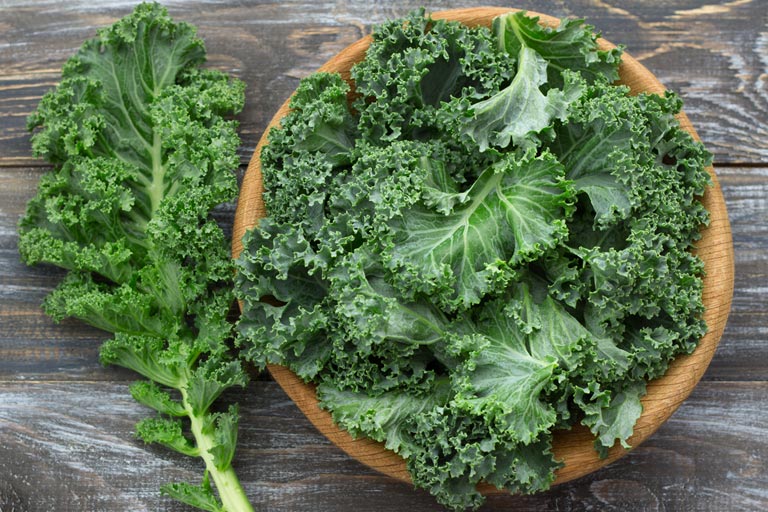
Kale and collards are hardy greens you’ll see at the farmers market nearly year-round, but they’re at their sweetest after a cold spell. The chill in the air coaxes out natural sugars, turning these leafy vegetables into flavorful, nutrient-packed staples for hearty winter cooking. Choosing the Best Leaves Look for bunches with supple, succulent leaves...
{ Continue Reading }
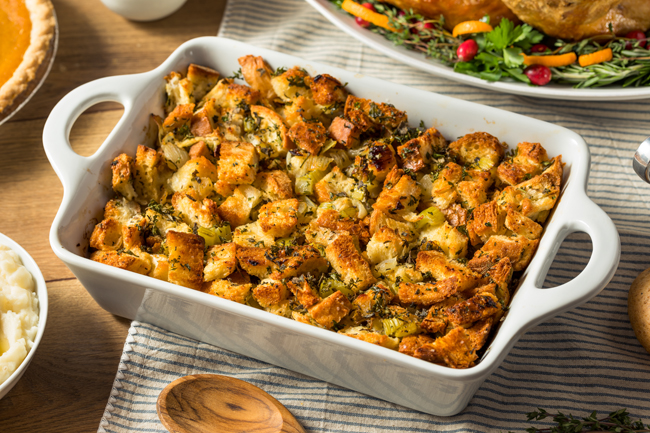
Most families have favorite stuffing or dressing recipes that have been passed down for several generations. If you weren’t privy to the early Thanksgiving morning kitchen activities as a kid, there’s a chance you may have missed watching Mom or Grandma making their signature stuffing. There are many stuffing recipes and variations from region to...
{ Continue Reading }
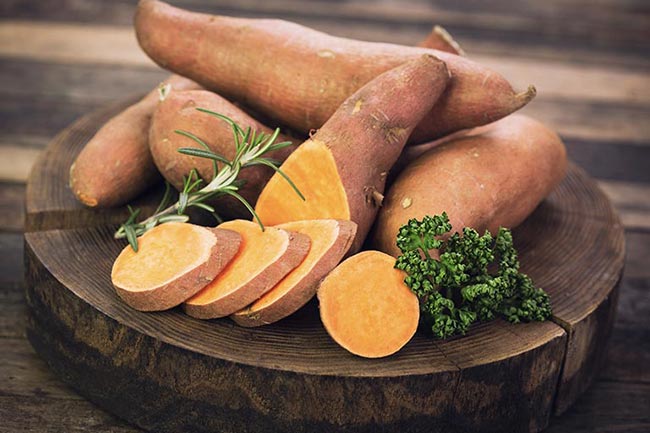
Have you ever wondered about what the difference is between sweet potatoes and yams? Sweet potatoes are also called ‘yams’ — however, these tuberous root vegetables are actually from two very different plants. Sweet potatoes are related to morning glories and true yams are related to palms and grasses. When you buy a ‘yam’ at...
{ Continue Reading }
Although we love baked sweet potatoes, steaming is quicker and produces a perfectly moist potato. Steamed baked potatoes take about 30 minutes, while baked potatoes take at least an hour. This method is for medium-sized potatoes. However, if you have only large-sized potatoes, you can cut them in half. (1) Fill the lower part of...
{ Continue Reading }
Quinoa is a versatile, protein-rich grain that’s quick to cook and adapts well to both savory and sweet dishes. Before cooking, it must be rinsed to remove saponins—a natural coating that can make quinoa taste bitter or soapy if left behind. Domestic quinoa often needs just a quick rinse, while imported varieties may require several...
{ Continue Reading }
1 2 3 4 5

Search Recipes


Market Highlights

Cookbook Exchange

Leave a Reply