
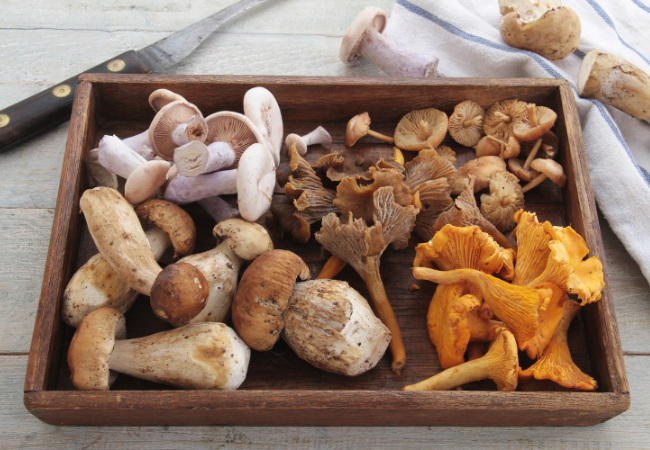
On the Central Coast, winter and early spring have a familiar rhythm. The rains arrive, the hills turn green—and suddenly, fungi are everywhere. From oak woodlands to redwood duff, this is peak mushroom season, when local foragers head out with baskets and field guides, and conversations turn to chanterelles, oysters, and the quiet magic happening beneath our feet.
This seasonal visibility may be one reason mushrooms are having such a cultural moment right now. In 2026, fungi are stepping well beyond the forest floor and into kitchens, gardens, medicine cabinets, and wellness conversations. Once dismissed as a simple topping or side dish, mushrooms are now appreciated for their deep culinary flavor, their functional health benefits, and their essential role in living ecosystems.
At the farmers market, vendors like New Natives reflect this shift, offering mushrooms alongside their vibrant microgreens—bringing the world of fungi to the table.
More Than Food: Why Fungi Matter to Life Itself
Before mushrooms were trendy, they were fundamental.
Fungi form vast underground networks that make life on land possible. In gardens, forests, and farms, mycorrhizae—beneficial fungi that attach to plant roots—act as living extensions of the root system. They help plants access water and nutrients, improve soil structure, and increase resilience to stress and disease. In exchange, plants feed the fungi sugars produced through photosynthesis.
In other words, fungi are collaborators, not competitors. Healthy soil depends on them. Thriving gardens rely on them. Even large ecosystems would collapse without their quiet work recycling nutrients and connecting plant communities.
When we talk about mushrooms today—whether for health, cooking, or sustainability—we are really talking about reconnecting with a system that has always supported us.
A Shift Toward Functional, Whole-Food Wellness
As interest grows in plant-forward diets and holistic health, people are seeking foods that nourish on multiple levels. Mushrooms naturally fit this role.
Used for centuries in traditional food and wellness practices, mushrooms such as reishi, lion’s mane, cordyceps, and turkey tail are now being explored through contemporary research. Scientists are studying their effects on immune balance, cognitive function, stress response, and metabolic health—sparking renewed respect for these ancient allies.
Environmentally, mushrooms also make sense. They grow efficiently, require relatively little water and space, and can be cultivated using agricultural byproducts. In a time when sustainability matters more than ever, fungi offer a model of abundance without excess.
The Key Health Benefits of Mushrooms
While each mushroom has its own personality, many share qualities that explain their growing popularity.
- Immune balance
Many mushrooms contain beta-glucans, compounds that help support immune resilience without pushing the body toward chronic inflammation. - Brain and nervous system support
Lion’s mane has become especially well known for compounds linked to nerve growth factor, which may support memory, focus, and mental clarity. - Stress and energy regulation
Reishi and cordyceps are often described as adaptogenic—supporting the body’s ability to respond to physical and emotional stress. Reishi tends toward calming and restorative effects, while cordyceps is associated with stamina and vitality. - Antioxidant activity
Mushrooms such as chaga contain antioxidants that help protect cells from oxidative stress, an important factor in long-term health. - Gut health
Mushroom polysaccharides can act as prebiotics, feeding beneficial gut microbes that influence digestion, immunity, and even mood.
Beyond the Plate: How Mushrooms Are Showing Up Today
Mushrooms are no longer limited to soups and sautés, though those remain beloved classics.
Whole culinary mushrooms
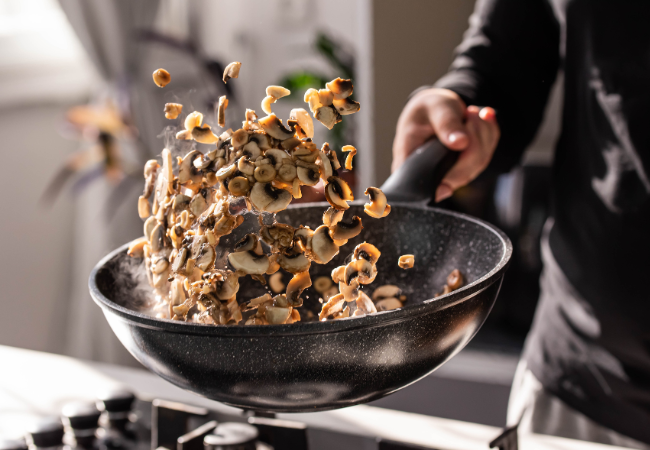
Fresh mushrooms like shiitake, oyster, maitake, and portobello bring depth and umami to everyday meals. Dried mushrooms intensify flavor and enrich broths, sauces, and grains.
Powders and blends
Functional mushroom powders can be stirred into coffee, tea, smoothies, or breakfast bowls. Some blends combine multiple species, while others focus on a single mushroom for more targeted use.
Extracts and supplements
Capsules, tinctures, and liquid extracts offer convenient options for those interested in consistent daily support.
Infused foods and drinks
Mushroom coffees, teas, broths, snacks, and non-dairy milks continue to expand, making fungi easier to incorporate into daily routines.
Skincare and beauty
Certain mushrooms, including tremella and reishi, are now common in skincare for their hydrating and antioxidant properties—highlighting fungi’s role beyond nutrition.
Getting to Know a Few Standout Mushrooms
Culinary Mushrooms
- Portobello – A mature, meaty mushroom prized for its umami flavor; supports heart health, digestion, and satiety, and provides B vitamins, potassium, and antioxidants—ideal for grilling, roasting, or plant-forward main dishes.
- Shiitake – A kitchen staple that also supports heart and immune health; rich in savory flavor and well suited to soups, sautés, and broths.
- Maitake – A deeply savory mushroom with culinary versatility and added metabolic and immune benefits; excellent roasted or added to grain dishes and stir-fries.
- Chanterelle – A prized wild mushroom with a delicate, slightly fruity aroma; provides B vitamins, antioxidants, and fiber, and is best simply sautéed to highlight its flavor. Often associated with seasonal foraging after rains.
- Porcini – Intensely flavorful and rich in umami; contains antioxidants, fiber, and minerals that support digestion and overall vitality. Exceptional fresh when in season and deeply concentrated when dried for stocks, risottos, and sauces.
- Oyster – Delicate yet deeply savory, with a tender texture; provides B vitamins, fiber, and antioxidants, and is known for supporting heart health and cholesterol balance. Excellent quickly sautéed, roasted, or folded into pastas and stir-fries.
Functional and Wellness Support Mushrooms
- Lion’s Mane – Associated with cognitive and nerve support; excellent sautéed when fresh or used as a powder or capsule.
- Reishi – Known for calming and restorative qualities; commonly enjoyed as tea or tincture, especially in the evening.
- Cordyceps – Linked to endurance and energy; often used in powders and blends to support stamina and vitality.
- Chaga – Rich in antioxidants; frequently brewed as tea or added to coffee for daily resilience support.
- Turkey Tail – Valued for immune and gut support; typically used in teas or capsules.
- Tremella – Celebrated for hydration and skin support, both internally and topically; increasingly found in beauty and wellness products.
A Few Practical Notes
As with all functional foods, quality matters. Choose mushrooms from trusted growers and reputable producers. If you are pregnant, managing a medical condition, or taking medications, consult a healthcare professional before using concentrated mushroom supplements. Mushrooms are powerful partners in health—but they work best as part of a balanced, whole-food lifestyle.
Mushrooms at the Market
One of the most rewarding ways to explore mushrooms is seasonally and locally. Farmers market vendors like New Natives make it easy to experiment, offering fresh mushrooms and microgreens that reflect both culinary creativity and ecological care.
Whether you’re inspired by a rainy-day foraging walk, enriching your garden soil with beneficial fungi, or simply sautéing mushrooms for dinner, this is a perfect moment to appreciate just how deeply mushrooms are woven into our lives—from underground networks to the plate in front of us.
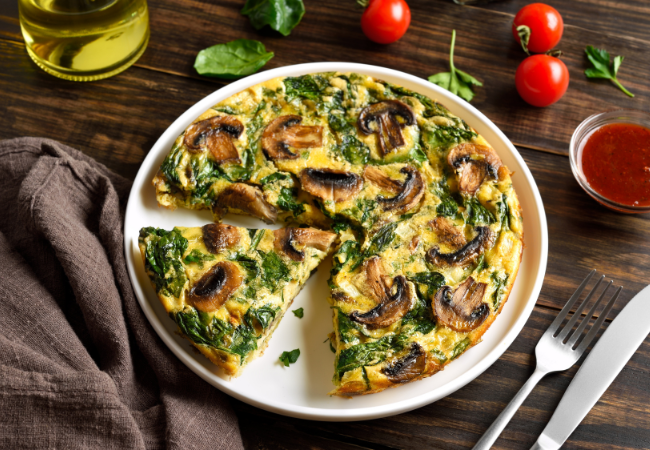
Looking for inspiration? Explore our collection of seasonal mushroom recipes that celebrate depth of flavor, simplicity, and market-fresh ingredients.
See also: Why Mushrooms Are a Cook’s Secret for Flavorful, Lighter Meals