
Walk through a farmers market, browse a food magazine, or spend a few minutes online reading about food and farming, and you’ll likely encounter the term regenerative agriculture.
For some people, it’s the future of farming. For others, it’s just another agricultural buzzword.
So what does it actually mean?
The answer is surprisingly simple. At its heart, regenerative agriculture is about leaving the land healthier than you found it.
Looking Beyond the Harvest
For decades, agriculture has focused primarily on one goal: producing food. And to be fair, farmers have become remarkably successful at it. Modern agriculture has helped feed a growing global population while improving efficiency and productivity.
But many farmers have begun asking a broader question: What if we measured success not only by what comes off the field, but also by what remains behind?
- Is the soil healthier?
- Does it hold more water?
- Are beneficial insects thriving?
- Is the farm becoming more resilient year after year?
Regenerative agriculture attempts to answer those questions.
The Soil Comes First
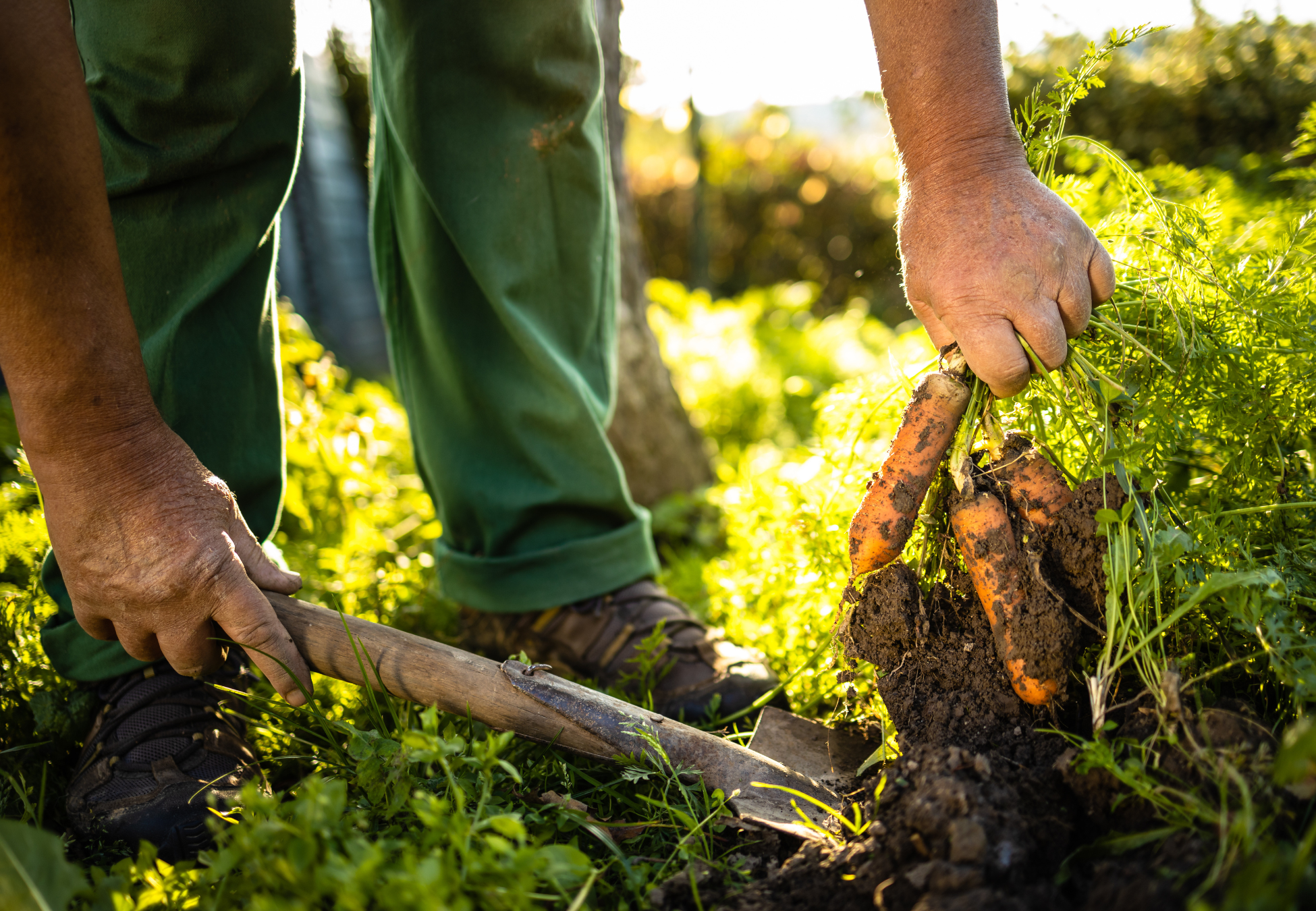
One of the central ideas behind regenerative agriculture is that healthy soil is the foundation of a healthy farm. Rather than viewing soil as simply a place to anchor plant roots, regenerative farmers view soil as a living ecosystem.
Healthy soils contain vast communities of microorganisms, fungi, earthworms, and other forms of life that help cycle nutrients, support plant growth, improve soil structure, and retain water.
The goal is not merely to grow crops. The goal is to improve the biological function of the soil itself.
When that happens, many other benefits can follow.
What Does Regenerative Agriculture Look Like?
There is no single recipe. Unlike organic certification, regenerative agriculture is not defined by one universal set of rules. Instead, farmers often combine practices that help build soil health and improve ecological function over time. These may include:
- Cover Crops: Rather than leaving fields bare between growing seasons, farmers plant crops that protect the soil, prevent erosion, support soil organisms, and add organic matter.
- Compost and Organic Matter: Adding compost helps feed soil biology and improve soil structure, water retention, and nutrient cycling.
- Reduced Tillage: Excessive tillage can disturb soil structure and microbial communities. Many regenerative growers seek ways to minimize unnecessary soil disturbance.
- Diverse Plantings: Diversity above ground often supports diversity below ground. Different plants contribute different benefits to the soil ecosystem.
- Managed Grazing: When livestock are thoughtfully integrated into farming systems, they can help recycle nutrients and stimulate plant growth while supporting soil health.
Not every farm uses all of these practices. What matters most is the overall goal of improving the health and function of the land.
How Is It Different From Organic?
This is one of the most common questions consumers ask.
Organic farming focuses primarily on what farmers do not use, such as most synthetic pesticides and fertilizers.
Regenerative agriculture focuses more on what farmers are actively building.
The two approaches often overlap.
Many regenerative farms are certified organic. Many organic farms use regenerative practices. Some farms may follow regenerative principles without pursuing organic certification.
Rather than replacing organic agriculture, regenerative agriculture is often viewed as a complementary approach that places additional emphasis on soil health, ecosystem function, and long-term resilience.
Why Consumers Are Paying Attention
Most people don’t think much about soil while shopping for strawberries, lettuce, or carrots. Yet soil health influences nearly every aspect of farming.
Healthy soils can:
- Store more water
- Reduce erosion
- Support beneficial organisms
- Improve nutrient cycling
- Increase resilience during drought
- Reduce input requirements over time
Many farmers believe these improvements also contribute to healthier crops and better food quality, although researchers continue to study the complex relationship between soil health and human nutrition.
What is already clear is that healthy soil supports healthier farming systems.
A Growing Movement
Regenerative agriculture has gained attention in recent years because it addresses several challenges at once.
It can help farmers improve soil health, strengthen resilience to drought and extreme weather, support biodiversity, and reduce dependence on outside inputs.
For many growers, it is not about following a trend. It is about rebuilding the foundation of their farms.
And that foundation is the soil.
What It Means for Shoppers
The next time you visit a farmers market, you may notice growers talking about cover crops, compost, pollinators, soil health, or regenerative practices.
These aren’t marketing slogans. They are often signs of a farmer investing in the long-term health of the land. When you support those farmers, you’re doing more than purchasing food. You’re supporting a way of farming that seeks to leave the soil, the farm, and the community stronger for the future.
In the end, regenerative agriculture isn’t really about a label. It’s about stewardship.
It’s about caring for the land today so it can continue feeding people tomorrow.