
The easiest way to grow one of the world’s healthiest leafy greens!
If you’ve read our article about watercress, you already know this humble leafy green has earned a reputation as one of the most nutrient-dense vegetables you can eat.
The surprising part? It’s also remarkably easy to grow.
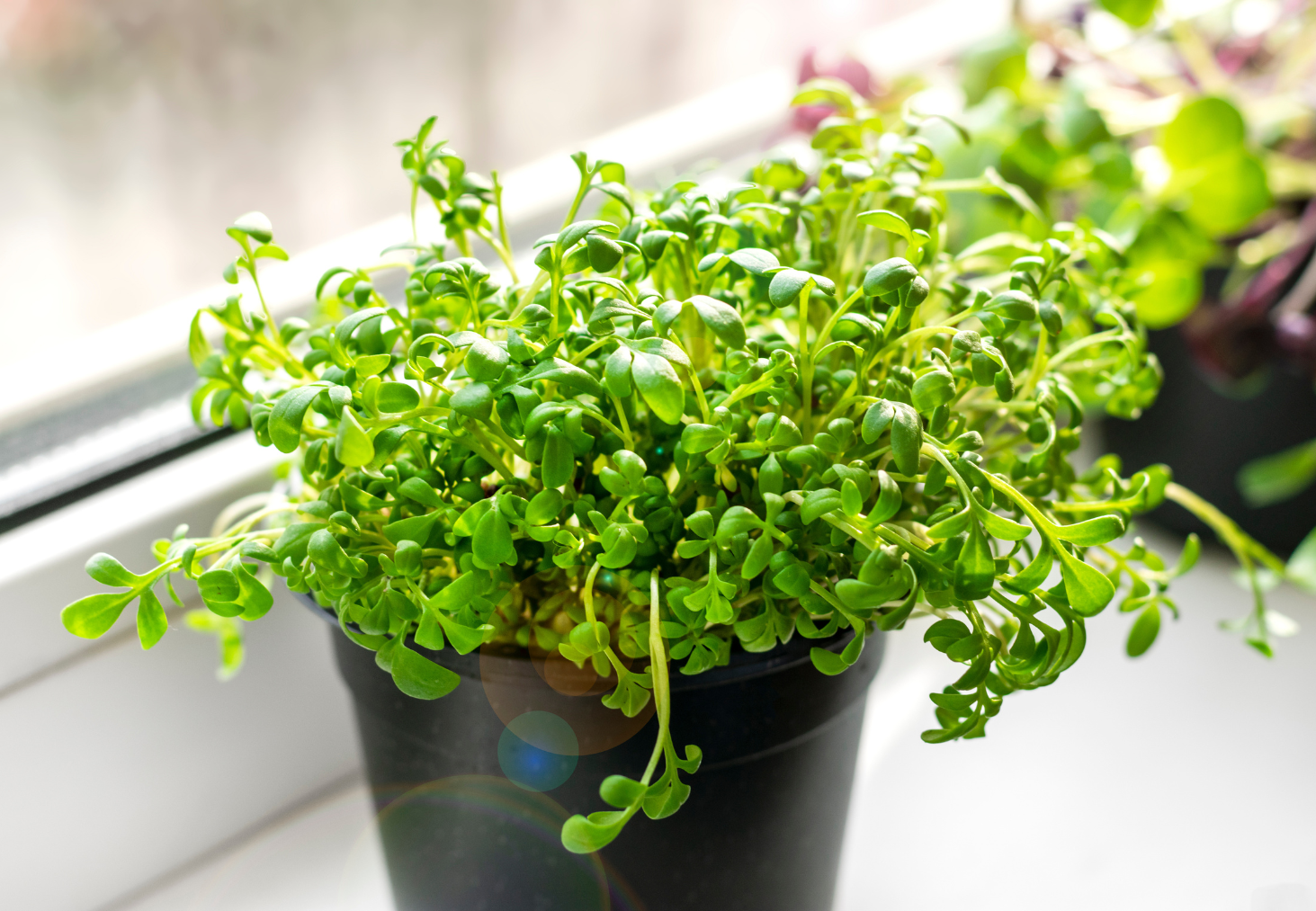
Despite its reputation as an aquatic plant, you don’t need a stream running through your backyard or an elaborate hydroponic system. With a shallow container, consistently moist soil, and a little patience, you can harvest fresh watercress just a few weeks after planting.
Whether you have a garden, a patio, or simply a sunny kitchen window, here’s everything you need to know.
Option 1: Start from Seed (Our Favorite Method)
- Growing from seed is inexpensive, reliable, and gives you the healthiest, longest-producing plants.
- Watercress seeds germinate quickly in cool weather and one packet contains hundreds of seeds—enough to keep you harvesting for months.
- Sow the tiny seeds on the surface of moist potting mix and lightly press them into the soil. Cover them with only a very thin layer of soil or vermiculite, as they need light to germinate well.
- Keep the soil consistently moist while the seeds sprout, which usually takes about one to two weeks under cool conditions. Ideal germination temperatures are around 50–60°F.
Option 2: Root Grocery Store Watercress
- If you can find fresh watercress at a grocery store, you may be able to grow new plants from the stems.
- Choose bunches with healthy stems that haven’t been heavily trimmed.
- Place the lower stems in a glass of clean water, removing any leaves that would sit below the waterline.
- After several days, tiny white roots often begin to appear. Once the roots are about an inch long, transplant the stems into moist potting mix and keep them evenly watered.
Not every bunch will root successfully, but it’s a fun—and inexpensive—experiment that many home gardeners have had success with.
Choosing the Right Container
One of the nicest things about watercress is that it isn’t picky. Almost any shallow container will work. Good choices include:
- A window box
- A ceramic bowl with drainage holes
- A wide nursery pot
- A galvanized tub
- A recycled plastic container
Place the pot in a saucer or shallow tray and keep an inch or two of water in the tray during the growing season. Watercress prefers consistently wet soil and should never be allowed to dry out.
Give It the Right Conditions
Watercress loves cool weather. On California’s Central Coast, it can often be grown for much of the year. For best results:
- Morning sun with afternoon shade
- Rich, well-drained potting mix
- Constant moisture
- Cool temperatures
- Good air circulation
If temperatures climb into the hottest part of summer, plants may become stressed or begin flowering.
Harvest Early and Often
When plants reach about 4 to 6 inches tall, begin harvesting.
Rather than pulling the whole plant, simply snip the top few inches with clean scissors.
Regular harvesting encourages fresh, tender growth and keeps plants producing for weeks.
Delicious Ways to Enjoy Watercress
Its peppery flavor is fresh, bright, and surprisingly versatile. Try adding it to:
- Mixed green salads
- Egg dishes
- Sandwiches and wraps
- Avocado toast
- Soups
- Homemade pesto
- Green smoothies
Because you’re harvesting only what you need, you’ll enjoy watercress at its freshest—just moments after picking.
Where to Buy Seeds
Most garden centers can special-order watercress, but you’ll often find the best selection online.
We recommend:
Sometimes the healthiest food you can eat isn’t something you buy. It’s something you grow.