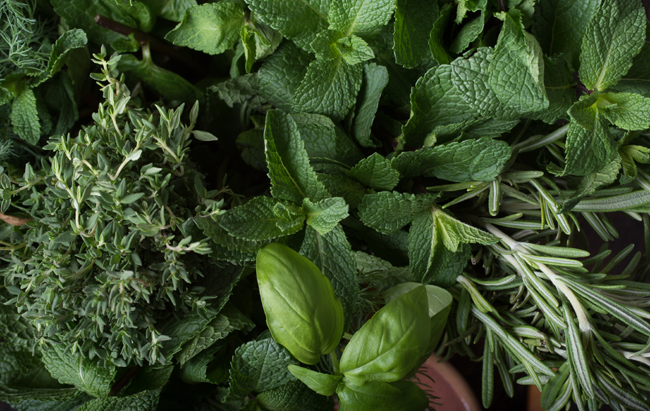
To understand and combine the flavors of herbs, start by getting to know them individually. Use your nose—smell each herb on its own, then try blending it with another. Add a third, and eventually work up to five different herbs to see how their aromas and flavors interact. Taste as you go, and jot down...Read More
Nutty, hearty, and pleasantly chewy, spelt is an ancient grain that makes a versatile base for countless dishes. Toasting the grains before simmering brings out their warm, aromatic character, while cooking them with herbs infuses subtle depth. Spelt is excellent as a side dish, tossed into salads, stirred into soups, or even used as a...Read More
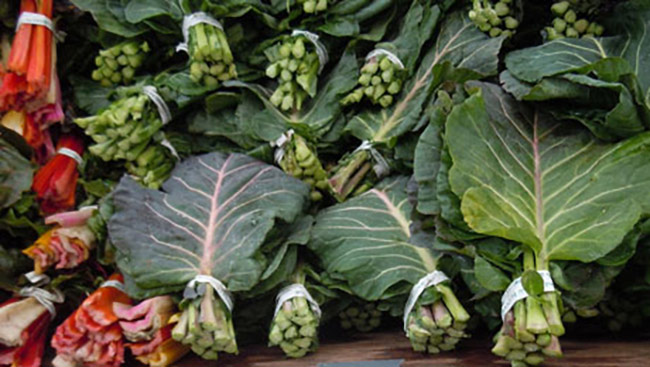
It is a great time for leafy greens at the farmers markets. I mean this in a couple of ways, too. It is great to have the greens since it is winter and there isn’t a huge variety of things growing. But best of all, this is a great time for eating them because the...Read More
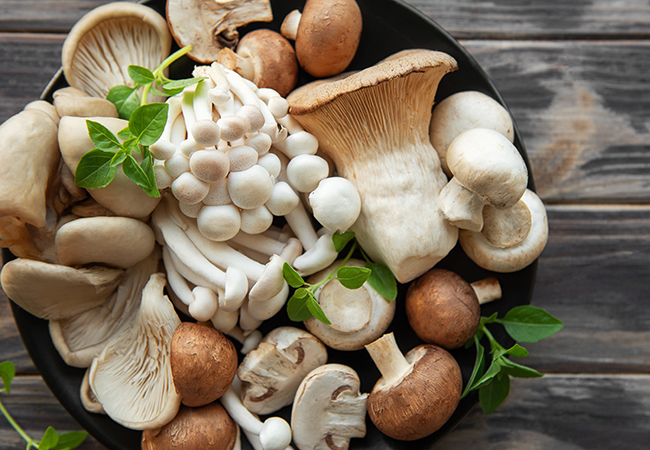
Did you know the Monterey Bay area is the second-largest producer of mushrooms in the U.S. and third in the world? Pennsylvania, where mushroom farming was pioneered, ranks first. The Chinese, who studied Pennsylvania’s methods for shiitake production, now lead global production. What was once considered exotic—shiitakes, lion’s mane, oysters, chanterelles, and Portobellos—are now everyday...Read More
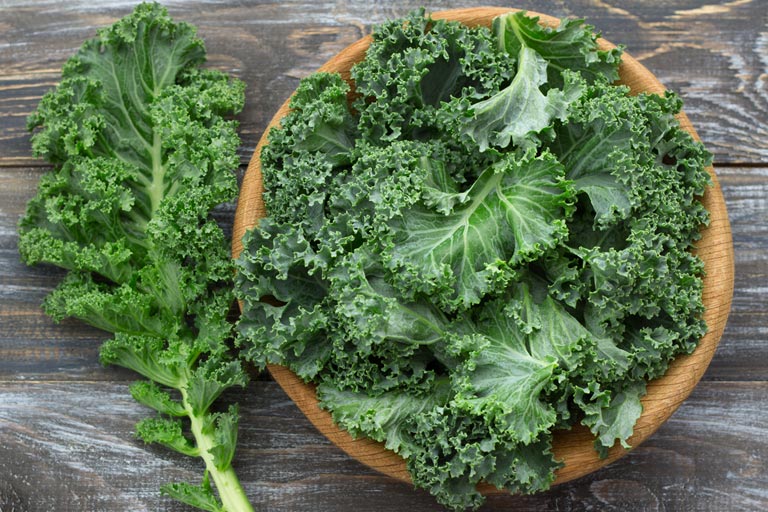
Kale and collards are hardy greens you’ll see at the farmers market nearly year-round, but they’re at their sweetest after a cold spell. The chill in the air coaxes out natural sugars, turning these leafy vegetables into flavorful, nutrient-packed staples for hearty winter cooking. Choosing the Best Leaves Look for bunches with supple, succulent leaves...Read More
This hearty bean stew lands somewhere between a soup and a side dish—comforting, rustic, and full of flavor. It’s easily adaptable: add more broth for a soupier bowl, or cook it down to enjoy with crusty bread as a hearty main course. INGREDIENTS: 3 cups cooked cranberry beans 2 cups diced carrots 1/2 bunch collards,...Read More
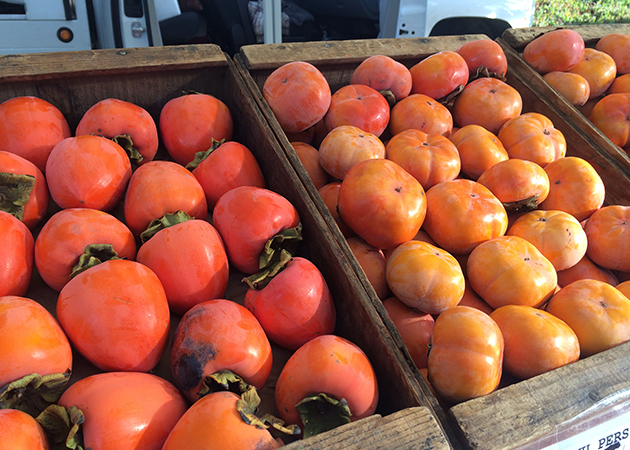
A sure sign that November has arrived is the warm orange glow of persimmons lighting up many stalls at the farmers market. This deep red-orange radiance comes from persimmons—known in much of the world as kaki (a Japanese word pronounced kah-kee). The name persimmon comes from “pessamin,” an Algonquin term for the native North American...Read More
This is the basic method for cooking fresh shelling beans (often called “shellies”), such as cranberry, borlotti, or Tongues of Fire. You can enjoy them just as they are, or use leftovers in grain dishes or soups like minestrone. This recipe is also a great base: try adding sausages and cooked rapini for a one-dish...Read More
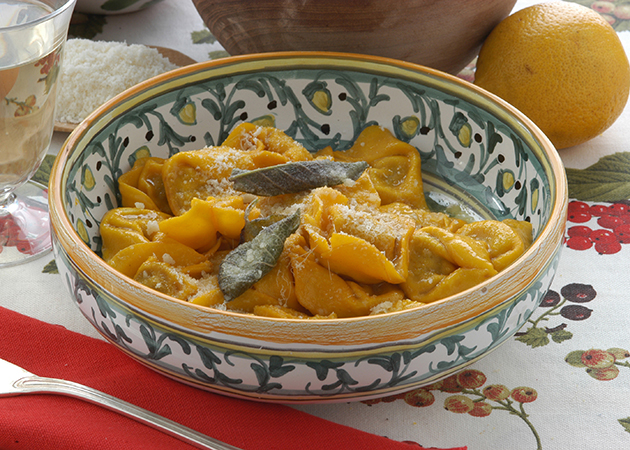
This classic Italian-inspired dish brings together the natural sweetness of pumpkin (or butternut squash) with the warm, nutty flavors of browned butter and fresh sage. The filling is enhanced with Parmigiano-Reggiano, crushed Amaretti cookies, and a hint of nutmeg, creating a rich yet delicately balanced flavor that perfectly complements the pasta. Though traditionally made with...Read More
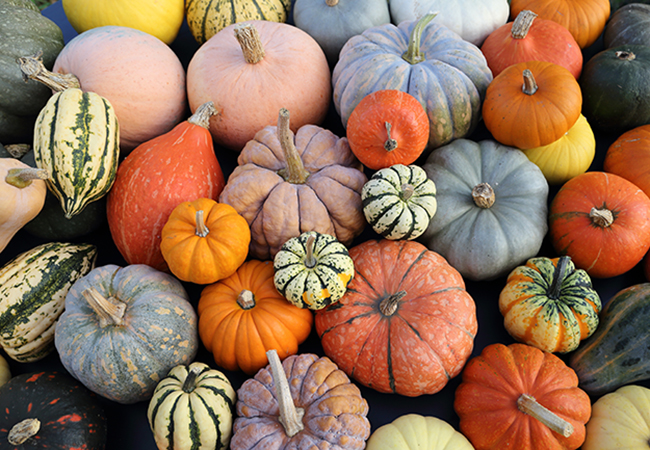
Pumpkins in the US are widely recognized as the classic orange-skinned winter squash with orange flesh, often used for Halloween carving and pies. However, the term “pumpkin” encompasses a diverse array of squash varieties from around the world, boasting a range of shapes, colors, and sizes. While the typical pumpkins associated with autumn are orange...Read More