
Sweet, floral, earthy, sometimes almost spicy—honey is far more interesting than a spoonful stirred into tea.
In the kitchen, honey is one of those wonderfully useful ingredients that can move easily from sweet to savory. A little honey can soften the sharp edge of vinegar in a vinaigrette, balance mustard or chile in a sauce, help create a beautifully caramelized glaze on fish or meat, deepen the flavor of roasted vegetables, or become the finishing touch that turns ripe seasonal fruit into dessert.
And unlike plain sugar, honey brings flavor of its own.
The character of honey depends largely on the flowers and plants from which bees gather nectar. Some honeys are pale, delicate, and floral; others are darker, richer, earthy, fruity, herbal, or almost caramel-like. In general, lighter honeys tend to be milder while darker honeys often have more robust flavors, although every floral source is different.
That makes honey especially fun to cook with.
A mild honey can disappear gracefully into a vinaigrette or delicate fruit dessert. A darker, more assertive honey can stand up beautifully to mustard, chiles, barbecue spices, roasted meats, or strongly flavored cheeses.
Start with Good Honey
One of the pleasures of shopping at the farmers market is being able to taste honey produced from different nectar sources.
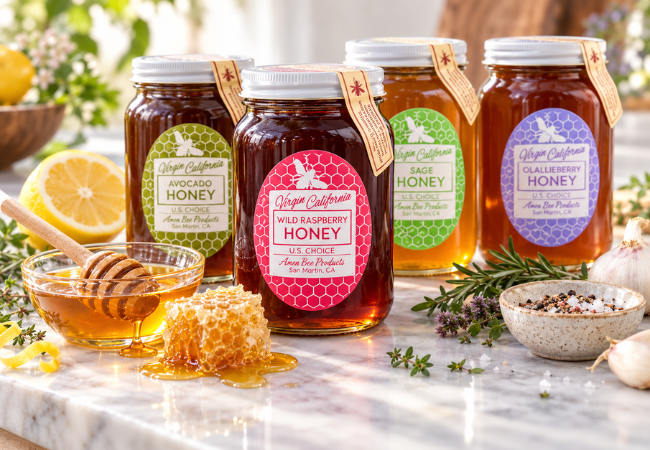
At Monterey Bay Certified Farmers Markets, look for Amen Bee Products, where Lynne Bottazzo offers local honey in an assortment of seasonal varieties. Rather than thinking of honey as simply “sweet,” taste a few side by side. You may be surprised by how different they are.
When choosing honey for cooking, think about what you want it to do:
Mild, floral honeys are lovely with citrus, fresh herbs, fruit, yogurt, delicate cheeses, and salad greens.
Medium-bodied honeys are excellent all-purpose choices for baking, vinaigrettes, marinades, and roasted vegetables.
Dark or strongly flavored honeys pair particularly well with mustard, chile, pork, barbecue sauces, blue cheese, warm spices, and hearty fall dishes.
There is no absolute rule. Taste the honey first and let the flavor suggest where it belongs.
Honey in Salad Dressings
Honey and vinaigrette are natural partners. Honey rounds out vinegar and citrus, adds body, and helps the dressing cling beautifully to greens and vegetables.
It is particularly useful in salads containing bitter greens, peppery arugula, cabbage, kale, radicchio, tart fruit, or salty cheese—ingredients that welcome a little sweetness for balance.
Honey and Fresh Herb Vinaigrette
Fresh herbs make this simple vinaigrette especially adaptable. Change the herbs with the season: basil and mint in summer, parsley and chives nearly year-round, cilantro for Southwestern-inspired salads, or dill for salads featuring cucumbers, potatoes, or seafood.
INGREDIENTS:
1/4 cup pure honey
2 tablespoons red or white wine vinegar
1 teaspoon Dijon mustard
1/4 teaspoon sea salt, plus more to taste
1/2 cup extra-virgin olive oil
1/4 cup chopped fresh herbs, such as basil, parsley, cilantro, dill, mint, chives, or a combination
Freshly ground black pepper, to taste
METHOD:
Combine the honey, vinegar, Dijon mustard, and salt in a jar with a tight-fitting lid. Shake until blended.
Add the olive oil and fresh herbs. Seal the jar and shake vigorously until the dressing is well combined.
Season with freshly ground black pepper and additional salt to taste.
Store covered in the refrigerator. Shake well before serving.
YIELD: Makes about 3/4 cup
Honey Ginger Vinaigrette
Fresh ginger gives this dressing a lively warmth that makes it particularly good with cabbage slaws, grain bowls, Asian-inspired salads, roasted carrots, chicken, or salmon. It can also double as a quick marinade.
INGREDIENTS:
1/2 cup avocado or neutral vegetable oil
1/2 cup extra-virgin olive oil
1/2 cup honey
2 tablespoons fresh lemon juice
4 tablespoons apple cider vinegar
1 garlic clove, minced
1/4 teaspoon paprika
1 tablespoon finely grated or chopped fresh ginger
1/4 teaspoon salt
Up to 1/4 cup water, optional
METHOD:
Combine the oils, honey, lemon juice, vinegar, garlic, paprika, ginger, and salt in a blender.
Blend on high until smooth and emulsified, about 1 minute.
For a lighter dressing, especially when using delicate greens, blend in enough water to reach the desired consistency.
Alternatively, combine all ingredients in a tightly covered jar and shake vigorously.
Refrigerate until ready to use and shake well before serving.
YIELD: Makes about 1 1/2 cups
Honey in Sauces, Marinades, and Condiments
This may be where honey becomes most interesting.
Sweetness is an important balancing ingredient in savory cooking. Honey can soften vinegar, temper chile heat, round out mustard, complement smoky flavors, and give sauces and glazes a glossy finish.
Because honey contains sugars that brown readily, honey-based glazes can caramelize quickly. When grilling or broiling, apply them toward the end of cooking whenever possible and watch carefully to prevent scorching.
Homemade Hot Honey
Hot honey may be one of the easiest condiments you can make—and one of the most useful.
Drizzle it over pizza, fried or roasted chicken, grilled salmon, roasted squash, Brussels sprouts, cornbread, biscuits, goat cheese, Brie, or ricotta. Try it over roasted carrots or sweet potatoes, or add just a little to a cheese board.
INGREDIENTS:
1 cup honey
2 tablespoons crushed red pepper flakes or 1 sliced fresh jalapeño
2 teaspoons apple cider vinegar
METHOD:
Combine the honey and chile flakes or sliced jalapeño in a small saucepan. Heat gently over medium heat just until the honey begins to simmer. Stir, then remove from the heat. Allow the honey to infuse for 15 to 20 minutes.
Taste. For more heat, allow the chiles to infuse longer.
Strain through a fine-mesh strainer into a clean jar.
Stir in the apple cider vinegar until thoroughly combined.
If using dried chile flakes, store the finished honey tightly covered. If using fresh chiles, refrigerate the hot honey.
YIELD: Makes about 1 cup
Honey Barbecue Sauce
Honey gives homemade barbecue sauce body and a glossy finish while balancing tomato, mustard, Worcestershire sauce, molasses, and spice.
Use it on grilled or roasted chicken, pork ribs, pulled pork, burgers, or even grilled vegetables.
INGREDIENTS:
1 cup honey
1/4 cup molasses
1 cup ketchup
1/4 cup steak sauce
2 tablespoons Worcestershire sauce
1 tablespoon Dijon mustard
1 teaspoon finely minced garlic
1/2 cup brown sugar
1/4 teaspoon ground allspice
1/2 teaspoon paprika
1/2 teaspoon ground ginger
1/2 teaspoon red pepper flakes
1 tablespoon seasoned salt
1/4 teaspoon freshly ground black pepper
1/4 teaspoon salt
METHOD:
Combine all ingredients in a blender and process until thoroughly blended.
Pour the mixture into a medium saucepan and bring just to a boil over medium heat, stirring frequently.
Immediately reduce the heat and simmer gently for about 5 minutes.
Remove from the heat and cool to room temperature.
Transfer to a covered container and refrigerate until ready to use.
For a hotter barbecue sauce, add finely chopped jalapeño or chipotle chile. For a smokier sauce, add a small amount of liquid smoke.
YIELD: Makes about 3 cups
Honey in Savory Main Dishes
Honey is particularly good with ingredients that have plenty of savory character of their own.
Pork, chicken, salmon, duck, lamb, winter squash, onions, mustard, ginger, soy sauce, citrus, chiles, and assertive herbs can all handle honey beautifully.
The secret is balance. The goal should not be to make dinner taste sweet. Honey should round out the other flavors and help create contrast.
Honey-Citrus Glazed Wild Salmon
Citrus keeps this glaze bright while ginger, shallots, and white wine give it savory depth. A brief finish under the broiler caramelizes the honey and creates a beautiful glossy surface.
INGREDIENTS:
6 wild-caught salmon fillets, about 2 pounds total, pin bones removed
1/2 cup honey
3/4 cup sweet white wine, such as Riesling or Chenin Blanc
1 tablespoon finely grated citrus zest, such as grapefruit, lemon, lime, orange, or a combination
1/2 cup fresh citrus juice
1 tablespoon finely minced fresh ginger
2 tablespoons minced shallots
2 tablespoons chopped fresh mint
Salt and freshly ground black pepper, to taste
Chopped chives or green onions, optional
METHOD:
Combine the honey, wine, citrus zest, citrus juice, ginger, shallots, and mint in a small saucepan.
Bring to a gentle simmer and cook until reduced by approximately half, 4 to 6 minutes. Season lightly with salt and pepper.
Preheat the oven to 400°F with a rack positioned in the upper third of the oven.
Lightly oil a baking dish and arrange the salmon skin-side down in a single layer.
Brush generously with the honey-citrus glaze.
Bake for 6 to 12 minutes, depending on the thickness of the salmon, brushing periodically with additional glaze.
Switch the oven to broil. Brush the salmon with the remaining glaze and broil briefly, about 30 to 60 seconds, until the surface is lightly caramelized and glossy. Watch carefully, as honey can brown quickly.
Garnish with chopped chives or green onions and serve immediately.
YIELD: Serves 6
SOURCE: Adapted from a recipe courtesy of the National Honey Board.
Honey-Glazed Blueberry Pork Chops
This recipe comes from Lynne Bottazzo of Amen Bee Products and is a wonderful example of how well honey works in savory cooking.
Fresh blueberries, red wine, and honey become a deeply flavored pan glaze for pork chops—fruit-forward without turning the dish into dessert.
INGREDIENTS:
4 rib pork chops
All-purpose flour, for dredging
Salt and freshly ground black pepper, to taste
2 tablespoons butter
3 tablespoons olive oil
1/4 cup red wine
2 1/2 cups fresh blueberries
1/2 cup mild honey, such as sage or star thistle
METHOD:
Preheat the oven to 400°F.
Lightly dredge the pork chops in flour and season both sides with salt and pepper.
Heat the butter and olive oil in a large ovenproof sauté pan over medium-high heat.
Add the pork chops and sear until golden brown, about 3 to 4 minutes per side.
Add the red wine and simmer briefly, scraping up the flavorful browned bits from the bottom of the pan.
Purée the blueberries in a food processor or food mill. Stir in the honey until thoroughly combined.
Spoon the blueberry-honey mixture over the pork chops.
Cover the pan and transfer it to the oven. Cook until the pork reaches 145°F in the center. Allow the chops to rest for at least 3 minutes before serving.
Spoon the warm blueberry-honey glaze over each pork chop.
YIELD: Serves 4
SOURCE: Recipe submitted by Lynne Bottazzo of Amen Bee Products.
Honey with Vegetables, Cheese, and Appetizers
Honey has a special affinity for vegetables with bitter, earthy, smoky, or caramelized flavors.
Think roasted Brussels sprouts, carrots, parsnips, winter squash, sweet potatoes, onions, beets, eggplant, and even cabbage.
And then there is cheese.
A little honey alongside goat cheese, ricotta, feta, Brie, aged cheddar, or blue cheese can be spectacular—especially when fresh fruit, toasted nuts, herbs, or freshly ground pepper enter the picture.
Brussels Sprouts with Apple-Honey Gastrique
A gastrique is essentially a sweet-and-sour sauce, and honey works beautifully in this one with apple juice and cider vinegar.
The tangy glaze cuts through the richness of crisp, deeply browned Brussels sprouts.
INGREDIENTS:
Apple-Honey Gastrique
1/2 cup apple juice
1 tablespoon honey
1/3 cup apple cider vinegar
Salt, to taste
Brussels Sprouts
1 pound Brussels sprouts, trimmed and halved
Vegetable oil, as needed
Salt, to taste
METHOD:
Combine the apple juice and honey in a small saucepan and bring to a boil over medium-high heat.
Reduce the heat and simmer for about 5 minutes.
Add the apple cider vinegar and a pinch of salt. Continue simmering until the mixture is reduced to about 1/4 cup. Keep warm.
Pour enough vegetable oil into a large, heavy skillet to lightly cover the bottom.
Heat over medium-high heat.
Add the Brussels sprouts cut-side down and cook until deeply golden. Turn and cook until tender and browned on the second side.
Transfer the hot Brussels sprouts to a mixing bowl and season lightly with salt.
Pour the warm apple-honey gastrique over the sprouts and toss gently to coat.
Serve immediately.
YIELD: Serves 4
Roasted Fresh Figs with Blue Cheese, Nuts, and Honey
Honey, figs, and blue cheese are one of those combinations that seem made for one another. Serve these as an appetizer, tuck them onto a cheese board, or offer them at the end of a meal as a savory-sweet cheese course.
INGREDIENTS:
Fresh ripe figs
Creamy blue cheese, such as Schoch Family Farmstead blue cheese or Cambozola
Chopped toasted walnuts or pistachios
Honey, for drizzling
Freshly ground black pepper, optional
Fresh thyme or rosemary, optional
METHOD:
Preheat the oven to 400°F.
Cut the figs in half or make a deep cross in the top of each fig, leaving the base intact.
Arrange the figs in a lightly oiled baking dish.
Tuck a small piece of blue cheese into each fig.
Roast just until the figs are warm and softened and the cheese begins to melt.
Sprinkle with toasted nuts and drizzle lightly with honey.
Finish with freshly ground black pepper or a few fresh herb leaves, if desired.
Serve warm.
YIELD: Varies according to number of figs
Honey for Dessert
Of course, honey has always belonged at the sweet end of the table.
But even in dessert, it is most interesting when it has something to play against: tart fruit, tangy cultured dairy, toasted nuts, citrus, herbs, warm spices, dark chocolate, or a pinch of salt.
One of the easiest desserts of all is simply ripe seasonal fruit roasted with honey.
Honey-Roasted Plums with Thyme
Roasting concentrates the flavor of ripe plums while honey and thyme create a fragrant syrup in the bottom of the pan.
Serve the plums warm with ice cream, mascarpone, crème fraîche, or Greek yogurt—or spoon them over pound cake for an effortless dessert.
INGREDIENTS:
8 ripe but firm plums
2 tablespoons honey
1 tablespoon fresh lemon juice
1 teaspoon finely grated lemon zest
1 teaspoon fresh thyme leaves
Pinch of salt
1 tablespoon unsalted butter, cut into small pieces, optional
METHOD:
Preheat the oven to 400°F.
Cut the plums in half and remove the pits.
Arrange the plums cut-side up in a baking dish.
Drizzle with honey and lemon juice.
Sprinkle with lemon zest, thyme, and a small pinch of salt.
Dot with butter, if using.
Roast for 18 to 25 minutes, depending on the firmness of the fruit, until the plums are tender but still hold their shape and their juices have formed a light syrup.
Serve warm or at room temperature, spooning the pan juices over the fruit.
YIELD: Serves 4 to 6
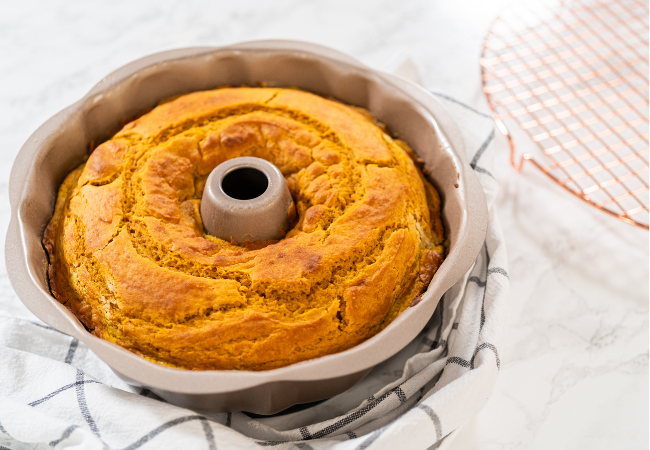
Jujube, Walnut, and Honey Cake
This rustic harvest cake pairs honey with the caramel-like flavor of ripe or dried jujubes and earthy walnuts. It is just sweet enough for dessert but equally at home alongside afternoon coffee or tea.
INGREDIENTS:
1 cup pitted and chopped dried jujubes
1 cup hot water
1 teaspoon baking soda
1/2 cup unsalted butter, softened
3/4 cup brown sugar
1/4 cup honey
2 large eggs
1 1/2 cups all-purpose flour
1 teaspoon baking powder
1/2 teaspoon salt
1 teaspoon ground cinnamon
1/2 cup chopped walnuts
Powdered sugar or lightly sweetened whipped cream, optional
METHOD:
Preheat the oven to 350°F. Grease an 8-inch square baking pan.
Place the chopped jujubes in a bowl with the hot water and baking soda. Allow to stand for 10 to 15 minutes, until softened. Drain well.
In a mixing bowl, cream the butter, brown sugar, and honey until light and fluffy.
Beat in the eggs one at a time.
In a separate bowl, whisk together the flour, baking powder, salt, and cinnamon.
Gradually add the dry ingredients to the butter mixture, mixing just until combined.
Fold in the softened jujubes and walnuts.
Spread the batter evenly in the prepared pan.
Bake for 30 to 35 minutes, or until a tester inserted near the center comes out clean.
Cool before serving. Dust lightly with powdered sugar or serve with softly whipped cream, if desired.
YIELD: Makes one 8-inch square cake
A Few More Ways to Use Honey
Once you begin thinking of honey as a seasoning rather than simply a sweetener, it becomes remarkably easy to use.
Whisk a spoonful into mustard for sandwiches or roasted chicken. Add honey to softened butter for biscuits or cornbread. Drizzle it over ricotta with figs and toasted walnuts. Brush a little over roasted carrots during their last few minutes in the oven. Stir honey into yogurt with citrus zest. Pair it with chile and lime for grilled shrimp. Add a touch to tomato-based sauces that need their acidity softened.
And don’t overlook one of the simplest combinations of all: good bread, good cheese, and good honey.
That is farmers market cooking at its best.
When Honey Crystallizes
Sooner or later, you may open a jar and discover that your beautifully liquid honey has become cloudy, thick, or completely crystallized.
Nothing is wrong with it.
Honey is naturally a supersaturated sugar solution, and most honey will eventually crystallize. The speed varies depending on its natural glucose-to-fructose ratio, temperature, and other characteristics. Crystallization is not an indication that honey has spoiled or been adulterated.
To liquefy crystallized honey, place the closed or partially closed jar in a bowl of warm water and allow it to warm gently, stirring occasionally. Avoid unnecessarily high heat, particularly with delicate raw honey, since prolonged heating can affect flavor and other characteristics.
Store honey tightly covered at room temperature, away from excessive heat and moisture. USDA storage guidance lists honey as a room-temperature pantry food.
Farmers Market Tip
Buy more than one kind of honey.
Keep a mild honey for vinaigrettes, fruit, yogurt, and baking and a darker or more assertive honey for savory cooking, glazes, cheese boards, marinades, and sauces.
Taste them side by side.
Like olive oil, vinegar, apples, tomatoes, and wine, honey has varieties—and discovering the differences is half the fun.
SEE: More Honey Recipes
SEE ALSO: A Life with Bees: Lynne Bottazzo of Amen Bee Products