
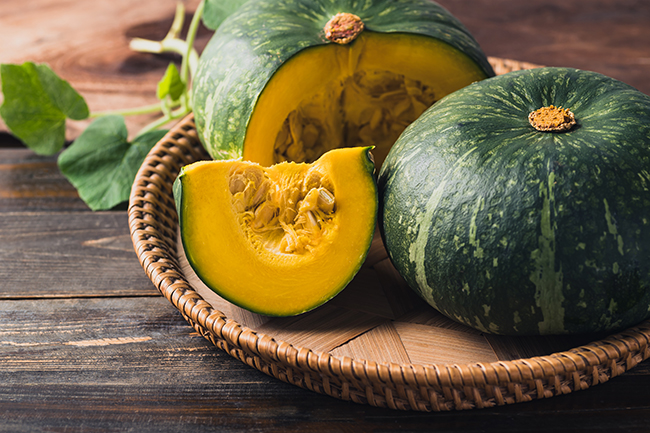
Among the colorful heaps of winter squash at the farmers market, kabocha is easy to overlook. Its squat shape and deep green skin are modest enough—but slice one open, and you’ll discover brilliant orange flesh with a sweet, nutty flavor that deserves a place in your fall kitchen.
Often called “Japanese pumpkin,” kabocha tastes something like a cross between pumpkin and sweet potato, with a hint of roasted chestnut. Its dense flesh becomes tender and creamy when cooked, making it delicious in everything from roasted vegetable dishes to soups and pies. Even the skin is edible, softening as it cooks—one less thing to peel!
A Squash with a Well-Traveled Past
Squash originated in the Americas, but kabocha’s culinary identity is closely tied to Japan, where Portuguese traders introduced squash in the 1500s. Over generations, Japanese growers developed varieties prized for their sweetness and texture. Today, kabocha is a familiar ingredient in Japanese cooking, served simmered in savory broth, fried in delicate tempura, or blended into soup.
Naturally Nourishing
Kabocha’s rich orange flesh provides beta-carotene, which the body converts to vitamin A. It also contributes vitamin C and fiber—a nourishing addition to cool-weather meals, with plenty of flavor of its own.
And don’t discard the seeds! Clean away the stringy pulp, rinse and dry them, then toss with a little olive oil and salt before roasting for a crunchy snack.
Choosing a Good Kabocha
Look for squash that feels heavy for its size, with hard, firm skin and no soft spots, mold, or deep cracks. A few superficial scuffs are normal; the important thing is an intact rind. If the stem is still attached, it should be dry and firm.
Bring Out Its Best in the Kitchen
Roasting is one of the simplest ways to appreciate kabocha. Scrub the skin, halve the squash, scoop out the seeds, and cut it into wedges. Toss with olive oil, salt, and pepper, then roast at 400°F for about 25–35 minutes, turning once, until tender and browned at the edges. Thicker wedges may take a little longer.
From there, you have plenty of delicious possibilities:
- Keep it simple: Finish roasted wedges with browned butter and sage, or a squeeze of lemon and a scattering of toasted seeds.
- Make a warming soup: Blend cooked kabocha with sautéed onion, ginger, coconut milk, and broth.
- Build a fall salad: Add roasted pieces to hearty greens with apples, toasted walnuts, and a bright vinaigrette.
- Try it in curry: Simmer chunks gently in a fragrant sauce until just tender.
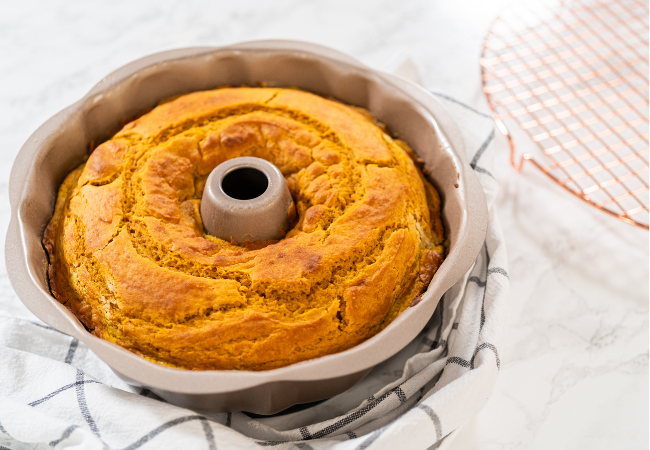
- Bake something sweet: Substitute smooth kabocha purée for pumpkin in pies, muffins, or quick breads. Its dense texture may call for a little extra liquid.
Storing Your Squash
Keep whole kabocha in a cool, dry, well-ventilated spot away from direct sunlight. A sound squash can keep for several weeks or longer, depending on its maturity and storage conditions. Check it occasionally for soft spots.
Once cut, wrap the remaining squash or place it in a covered container, refrigerate, and use within 2–4 days. For longer storage, cook and freeze portions for future soups, baking, or quick side dishes.
This fall, tuck a kabocha into your market basket. A tray of golden roasted wedges might be all it takes to make this unassuming squash a new household favorite.
Ready to cook? Explore our favorite kabocha recipes for more seasonal inspiration.