
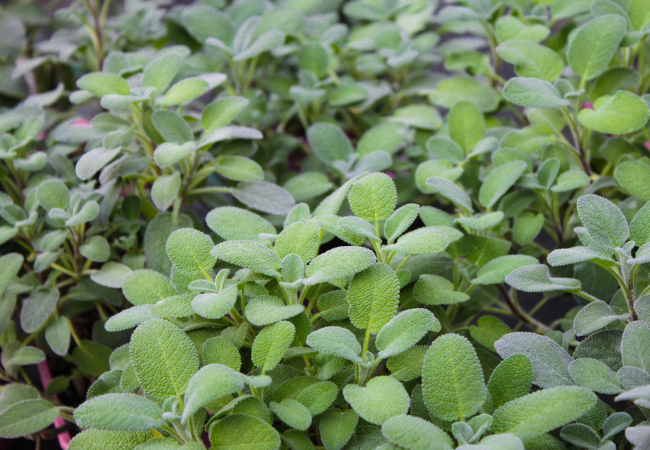
Sage is a fragrant perennial that is beautiful, easy to grow, delicious in every season—and one of the most fascinating herbs in the kitchen.
Its earthy, woodsy aroma instantly brings to mind roast turkey, stuffing, browned butter, and holiday gatherings. But limiting sage to just a few weeks each year is like bringing out your favorite cast-iron skillet only at Christmas.
Sage (Salvia officinalis) deserves a permanent place in every herb garden—and every kitchen.
Beautiful, drought tolerant, remarkably easy to grow, and wonderfully versatile, this Mediterranean herb rewards gardeners with year-round harvests while adding distinctive flavor to everything from vegetables and pasta to cocktails and summer salads.
An Herb with Ancient Roots
The name Salvia comes from the Latin word salvare, meaning “to heal” or “to save.”
For thousands of years, sage has been valued throughout Europe and the Mediterranean, not only as a culinary herb but as one of the traditional herbs people reached for every day. Long before modern refrigeration, strongly aromatic herbs like sage helped season rich meats, preserved foods, and cheeses while adding remarkable flavor with only a few leaves.
Today, we appreciate sage for something much simpler—it tastes wonderful.
Surprisingly Easy to Grow
One of sage’s greatest virtues is how little it asks of the gardener.
It thrives in full sun, prefers well-drained soil, tolerates dry summers, and once established needs surprisingly little attention. In fact, overwatering is far more likely to harm sage than forgetting to water it for a few days.
Even if you don’t have a garden, sage grows beautifully in containers placed in a sunny window or on a patio.
Regular harvesting actually encourages fresh growth, so the more you cook with it, the happier your plant becomes.
More Than One Kind of Sage
Most cooks know common culinary sage (Salvia officinalis), but several beautiful varieties are equally at home in ornamental gardens.
- Common Sage – silvery-green leaves with classic savory flavor.
- Purple Sage – striking purple foliage that deepens in cool weather.
- Golden Sage – variegated green and gold leaves that brighten herb gardens.
- Tricolor Sage – green leaves edged with cream and flushed with pink and purple.
- Berggarten Sage – broader, thicker leaves with excellent culinary flavor.
Our farmers market growers, Pacific Rare Plant Nursery and Cabrillo Horticulture, offer culinary herbs and often carry sage during the growing season.
Small Leaves with Big Nutritional Value
Like many culinary herbs, sage packs an impressive amount of nutrition into just a few leaves.
Its essential oils and naturally occurring polyphenols provide antioxidant compounds that help protect plant tissues—and, when included as part of a varied diet rich in fruits, vegetables, herbs, and whole foods, contribute to the many beneficial phytochemicals we enjoy from plants.
Researchers continue to study sage for its traditional role in supporting memory and cognitive function, making it one of many herbs currently attracting scientific interest. While no single herb is a magic solution, it’s another reminder that many familiar kitchen ingredients offer far more than flavor.
Fresh or Dried?
Fresh sage has a bold personality.
A little goes a long way, which is why it works best when paired with rich ingredients like butter, olive oil, potatoes, squash, mushrooms, beans, poultry, pork, or cheese.
Dried sage has a milder, more concentrated flavor and is perfect in soups, sauces, breads, and seasoning blends.
Both deserve a place in the pantry.
One of Summer’s Most Elegant Garnishes
Perhaps the most underappreciated use for sage has nothing to do with Thanksgiving.
Whole sage leaves become wonderfully crisp when quickly fried in a little olive oil or butter.
In less than a minute, they transform into delicate, fragrant chips that shatter between your teeth.
Scatter crispy sage leaves over:
- Burrata with heirloom tomatoes
- Grilled peaches
- Summer squash
- Fresh ricotta
- Roasted potatoes
- Creamy polenta
- Risotto
- Butternut squash ravioli
- White bean soup
- Grilled chicken
- Fresh corn
They instantly elevate even the simplest dish.
Beyond Stuffing
Sage has a remarkable ability to complement rich foods without overwhelming them.
Some favorite pairings include:
- Brown butter and fresh sage over homemade pasta
- Pork chops with apples and sage
- White beans simmered with garlic and sage
- Roasted mushrooms finished with sage butter
- Lemon-sage roasted chicken
- Sage-infused olive oil for dipping bread
- Fresh sage in sausage or meatballs
- Goat cheese with honey and chopped sage
- Sage compound butter for grilled corn
- Peach or grapefruit cocktails infused with sage
One or two leaves are often all that’s needed.
Don’t Forget the Flowers
If allowed to bloom, sage produces beautiful spikes of lavender-blue flowers that attract bees, butterflies, and other beneficial pollinators.
Even if you harvest regularly, allowing one or two stems to flower helps support the pollinators that make our vegetable gardens productive.
A Small Herb Worth Rediscovering
Sage may never enjoy the popularity of basil or rosemary, but perhaps that’s part of its charm.
It’s quiet. Dependable. Beautiful.
Plant it once, harvest it for years, and you’ll discover that this humble perennial has been patiently waiting to become one of the hardest-working herbs in your garden—and one of the most flavorful ingredients in your kitchen.
Kitchen Inspiration
Here are a few delicious ways to enjoy fresh sage this season:
- Crispy Fried Sage Leaves
- Brown Butter and Sage Sauce for Pasta or Ravioli
- Lemon-Sage Roasted Chicken
- White Bean Soup with Sage
- Roasted Delicata Squash with Sage Butter
- Goat Cheese, Honey and Sage Crostini
- Sage-Infused Olive Oil
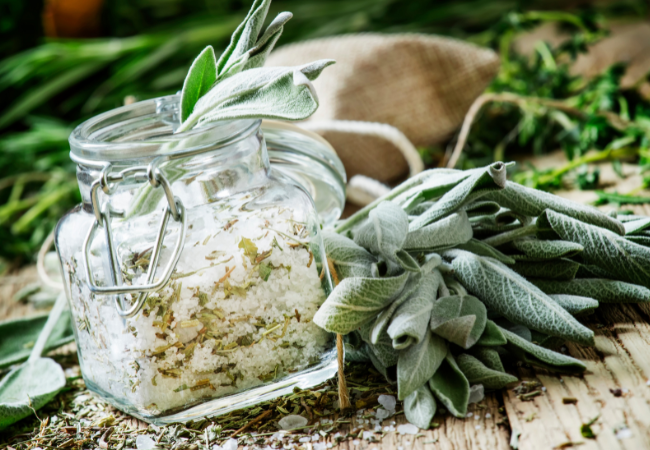
- Homemade Sage Salt
- Grilled Peaches with Honey and Fried Sage
- Parmesan Risotto with Crispy Sage
SEE ALSO:
Ten Delicious Ways to Use Fresh Sage