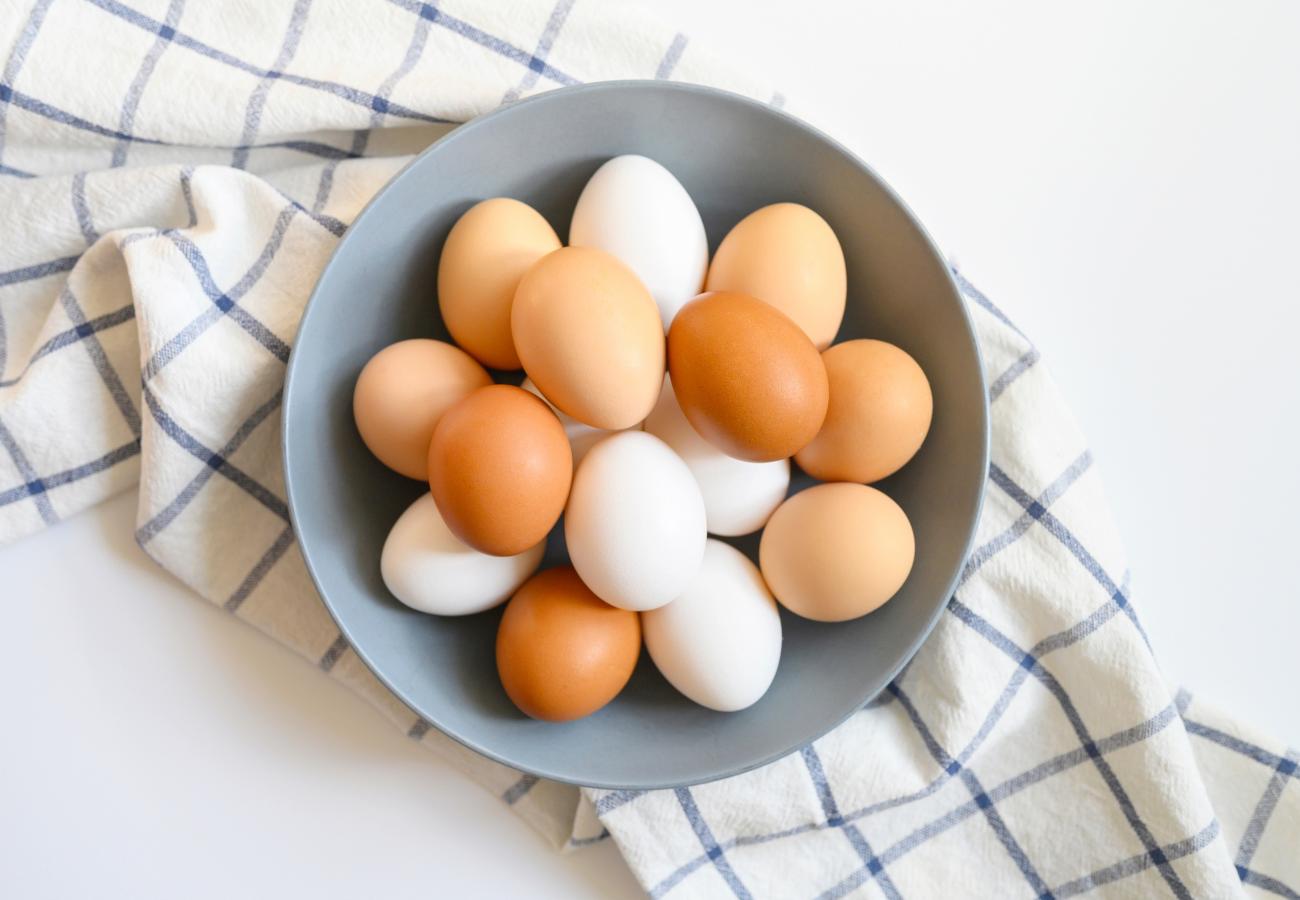

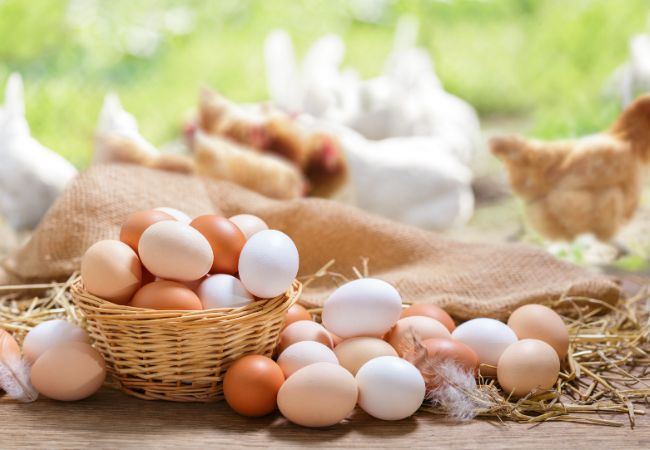
Does a pastured egg offer more nutrition? Possibly—but the difference depends less on the label than on how the hens are actually raised and fed.
Eggs from hens with meaningful access to pasture may contain higher levels of certain nutrients, including omega-3 fatty acids, vitamin E, and the carotenoids lutein and zeaxanthin. Some studies have also found higher amounts of vitamins A or D in eggs from hens that spend time outdoors and consume a varied diet of grasses, seeds, insects, and supplemental feed.
The differences, however, are not uniform. Nutrient levels can vary with the hen’s breed, the quality of the pasture, the season, the supplemental ration, and the amount of forage the birds actually consume.
A hen with access to lush pasture may produce an egg with a different fatty-acid and carotenoid profile than a hen kept indoors. But simply opening a door to a bare outdoor run does not guarantee a nutritionally superior egg.
Terms such as cage-free, free range, and pasture-raised describe aspects of the production system, but they do not tell the whole story. Cage-free hens may live entirely indoors. Free-range hens may have outdoor access without spending much time on vegetation. Pasture-raised generally suggests more room and greater opportunity to forage, but standards and management practices still vary.
“Farm fresh” is not a nutritional category at all. It may indicate that the eggs traveled a shorter distance or reached the customer more quickly, but it does not specify what the hens ate or how they were housed.
All eggs remain valuable sources of complete protein, choline, vitamin B12, selenium, riboflavin, and other nutrients. A conventional egg is not nutritionally empty, and a pastured egg is not automatically a superfood.
The greatest advantage of buying directly from a farmer may be the ability to learn what the carton cannot tell you.
Ask the Farmer
Rather than relying only on the label, ask:
- Do your hens spend time on living pasture?
Outdoor access can mean anything from a small dirt run to regularly rotated fields of grass and forage. - What do the hens eat?
Most laying hens need a balanced supplemental ration even when they forage. Ingredients such as flaxseed or algae can increase the omega-3 content of eggs. - Do you rotate the flock to fresh ground?
Rotation gives hens access to new vegetation and insects while helping protect the soil from becoming bare or overused. - Does their diet change with the seasons?
Pasture quality and available forage naturally change throughout the year, which may also affect yolk color and nutrient composition. - How recently were the eggs collected?
Freshness does not dramatically change the basic nutritional value, but it can make a noticeable difference in flavor, texture, and cooking performance.
A dark orange yolk may suggest that a hen ate carotenoid-rich plants or feed ingredients, but color alone is not proof of superior nutrition. The most informative answer still comes from the person who raises the flock.
Visit Clara’s Eggs, Spade & Plow Organics, Munak Ranch, or Fogline Farms at our farmers markets for farm fresh eggs.
SEE ALSO: The Egg’s Bad Reputation is Finally Cracking