
With fresh fruit at the farmers market and time to enjoy the process, now is a lovely moment to put a homemade pie or two in the freezer.
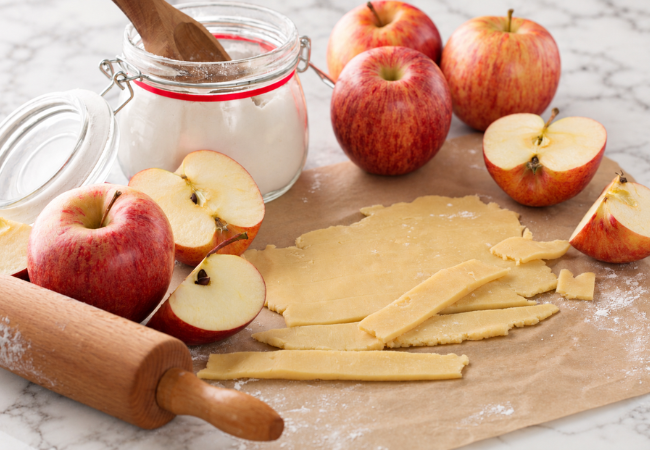
There’s something about autumn that brings us back to baking. Perhaps it’s the cooler mornings, the apples piled high at the farmers market, or simply the thought of buttery pastry and cinnamon drifting through the kitchen.
Whatever the inspiration, baking season has arrived—and with it, an opportunity to put a little something away for later.
We’re not suggesting that you pull out the holiday checklist just yet. But an unhurried afternoon of pie making now can be a wonderful gift to yourself when November and December get busy. With the rolling, filling, and crimping already done, homemade dessert becomes a much easier proposition.
And while apples make a beautiful starting point, they’re hardly the only fruit worth tucking into a pie.
Which Pies Belong in the Freezer?
Traditional fruit pies are among the best candidates for making ahead. Apple, cherry, peach, blueberry, blackberry, and mixed-berry pies can all be prepared for the freezer. Rhubarb and strawberry-rhubarb pies can also work well with an appropriate recipe.
For that freshly baked finish later, assemble and freeze fruit pies before baking. Already-baked fruit pies can also be frozen, although the crust may lose some of its crispness after thawing. Choose a reliable recipe that includes freezing directions so the filling, thickener, and baking method work together.
Take advantage of what’s available at the market now, or use fruit you preserved earlier in the season according to your recipe’s instructions. There’s something especially satisfying about bringing a little summer or autumn to the table long after harvest.
Should You Cook the Filling First?
Precooking can be particularly helpful with apple pie. It gives you more control over the filling’s moisture and texture before the top crust goes on. Cooked apple slices should still hold their shape, and the filling must cool completely before it meets the pastry.
But precooking isn’t a requirement for every fruit pie. Many recipes use uncooked fruit successfully, and delicate berries don’t necessarily benefit from an extra turn on the stove. Follow your chosen recipe rather than applying one method to every filling.
Wrap Up a Little Future Baking
Assemble your pie according to its freezing instructions, then freeze it on a level surface until firm. Wrap snugly in plastic wrap followed by foil, protecting the edges from bumps and breaks.
Label the package with the pie’s name, the date, and its baking directions—including whether it should thaw first. That small detail will save you from hunting through recipes later.
For pies destined to go straight from freezer to oven, choose a metal pie pan. Avoid moving frozen glass or ceramic into a hot oven, where the abrupt temperature change can cause breakage.
To Thaw or Not to Thaw?
Here’s the detail that can cause confusion: both methods exist.
Many unbaked fruit pies can go directly into a preheated oven from the freezer, with additional baking time. Other tested methods call for thawing overnight in the refrigerator first. Neither instruction applies universally to every fruit pie; follow the method provided with your recipe.
Watch for a thoroughly browned crust and filling bubbling through the center vents. Shield the edges if they brown too quickly, and allow plenty of cooling time before slicing so the filling can settle.
For extra help browning the bottom crust, bake in a metal pie pan on a thoroughly preheated baking stone or steel. Crumb-topped pies need particular attention during longer baking; protect the topping if it begins to brown before the filling is ready.
A pizza stone isn’t just for pizza! Place a baking stone or baking steel on a rack in the lower third of the oven and let it preheat thoroughly with the oven. Set your metal pie pan directly on the hot surface. The concentrated heat helps the bottom crust set and brown before the filling’s juices can make it soggy.
Use this technique with a metal pan; glass or ceramic pie dishes can crack from the sudden contact with a hot stone or steel. Follow your recipe’s baking temperature and timing.
What About Pumpkin and Pecan?
These holiday favorites can also be made ahead, but a straightforward approach is to bake them first, cool completely, then wrap and freeze. Thaw in the refrigerator before serving or gently warming.
They may lose a little quality—the filling can separate slightly or the crust soften—so follow a recipe with specific freezing guidance. They need a different plan from an unbaked fruit pie.
Some Pies Are Best Enjoyed Fresh
Cream pies, delicate custard pies, and meringue-topped pies are less rewarding freezer projects. Fillings can become watery or separate, while meringue can toughen and stick to its wrapping. Fresh strawberry pies and other pies featuring uncooked fruit are also best saved for closer to serving.
For these desserts, get ahead by preparing the pastry shell instead, then add the filling and finishing touches later.
There’s no need to fill the freezer in one afternoon. Start with one extra pie while you’re making another, or set aside a quiet morning after a trip to the market.
When company comes, a holiday dinner approaches, or an ordinary Sunday calls for something special, you’ll have a little homemade goodness waiting.
Here are some of our favorite pie recipes!