
We tend to think about food in terms of energy, weight, or heart health. But there is another conversation happening every time we sit down to eat — one that links the gut, the brain, the immune system, and the trillions of microbes that live inside us.
This connection is often called the gut-brain axis, a two-way communication system between the digestive tract and the brain. Researchers are still learning how this complex relationship works, but one thing is becoming increasingly clear: the health of the gut may play an important role in mood, inflammation, metabolism, and long-term brain health. The gut and brain communicate through nerves, hormones, immune signals, and microbial activity — which means what we eat every day may influence far more than digestion.
That does not mean food is a cure-all, or that any single ingredient can “prevent” cognitive decline. But it does mean the daily choices we make at the farmers market — beans, leafy greens, berries, apples, nuts, seeds, eggs, yogurt, fish, whole grains, and seasonal vegetables — can become part of a nourishing foundation for whole-body wellness.
In other words: feeding the gut is one way we help care for the brain.
Fiber: More Than Roughage
For many years, fiber was talked about mostly in terms of digestion. It kept things moving. It helped with regularity. It was something we knew we were supposed to eat more of, usually in the form of bran cereal or prunes.
But fiber is much more interesting than that.
Fiber is the part of plant foods that our bodies do not fully digest. Instead, certain types of fiber become food for beneficial gut bacteria. As those microbes ferment fiber, they produce compounds called short-chain fatty acids, including acetate, propionate, and butyrate. These compounds are being studied for their role in gut barrier health, immune function, inflammation, metabolism, and communication along the gut-brain axis.
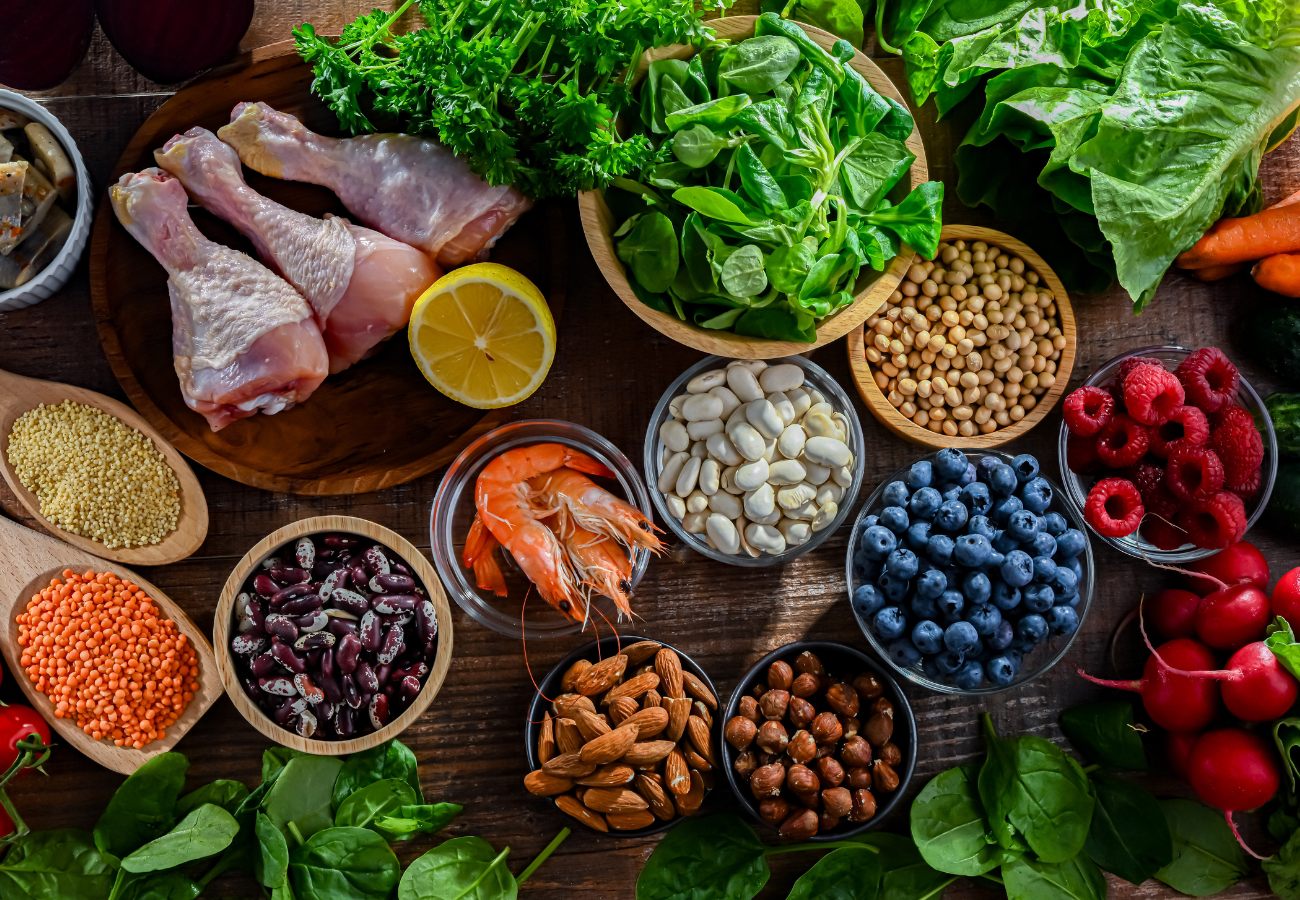
This is where the farmers market becomes one of the best “food as medicine” resources we have. A market basket filled with plant diversity naturally provides different kinds of fiber — from beans, lentils, apples, berries, leafy greens, cabbage, carrots, squash, artichokes, corn, nuts, seeds, and herbs.
Different plant foods feed different beneficial microbes. That is one reason variety matters. Instead of thinking about fiber as one isolated nutrient, it may be more helpful to think of it as nourishment for an entire inner ecosystem.
The Gut-Brain Connection
The gut and brain are in constant conversation. Anyone who has ever felt “butterflies” before a stressful event has experienced this connection firsthand. Stress can affect digestion, and digestive distress can affect mood and comfort.
Scientists now understand that this relationship runs deeper than occasional nerves. The gut microbiome may influence inflammation, immune signaling, and the production or regulation of certain chemical messengers involved in mood and brain function. Harvard Health notes that inflammation in the digestive tract and imbalances in gut bacteria may affect communication between the gut and brain.
Again, this does not mean a bowl of beans is a medical treatment. But it does suggest that everyday eating patterns matter. A diet rich in whole plant foods, fiber, and minimally processed ingredients can help support the gut environment that supports the rest of the body.
And the simplest place to begin is not with a supplement. It is with the next meal.
Why Protein Belongs on the Plate, Too
While fiber feeds the gut, protein helps steady the plate.
A nourishing meal is more satisfying when it includes both fiber-rich foods and a good source of protein. Protein supports muscle maintenance, energy, immune function, and healthy aging. It also helps make meals feel complete — turning a bowl of vegetables into something sustaining.
At the farmers market, protein can come from many sources: eggs, yogurt, cheese, fish, pasture-raised meats, poultry, nuts, seeds, beans, lentils, and peas. Some foods, such as beans and lentils, offer both fiber and plant-based protein, making them especially valuable pantry staples.
This is important because “eat more fiber” can sometimes sound like “eat more salad.” But a gut-supportive, brain-supportive plate can be hearty, comforting, and deeply satisfying.
Think white bean soup with kale and herbs. Lentils with roasted carrots and feta. Yogurt with berries, walnuts, and ground flaxseed. Eggs scrambled with greens and mushrooms. Grilled fish with cabbage slaw. Roasted squash with chickpeas and tahini dressing.
This is not deprivation. This is real food doing what real food has always done best.
Build a Brain-Supportive Farmers Market Basket
One of the easiest ways to support gut health is to shop for diversity. Instead of focusing on one “superfood,” aim to bring home a variety of plants throughout the week. A fiber-rich market basket might include:
- Beans, lentils, and peas: Hearty, affordable, and rich in both fiber and plant protein. Add them to soups, salads, stews, grain bowls, and vegetable sautés.
- Leafy greens: Kale, chard, spinach, arugula, beet greens, and collards bring fiber, minerals, and deeply satisfying flavor to everyday meals.
- Cruciferous vegetables: Cabbage, broccoli, cauliflower, Brussels sprouts, bok choy, and radishes are excellent additions to slaws, stir-fries, soups, and roasted vegetable platters.
- Fruit with fiber: Apples, pears, berries, stone fruit, citrus, and figs bring natural sweetness along with fiber, antioxidants, and seasonal pleasure.
- Roots and winter squash: Carrots, beets, sweet potatoes, turnips, parsnips, and squash offer comforting, fiber-rich substance to meals.
- Nuts and seeds: Walnuts, almonds, pumpkin seeds, sunflower seeds, sesame seeds, chia, and flaxseed add crunch, healthy fats, plant protein, and fiber.
- Fermented foods: When available, yogurt, kefir, sauerkraut, kimchi, and other fermented foods can be a delicious way to bring beneficial cultures and lively flavor to the table.
- Quality proteins: Eggs, fish, poultry, meat, cheese, and yogurt can help anchor meals and make fiber-rich foods more satisfying.
Simple Market Meal Ideas
A “food as medicine” approach does not have to be complicated. In fact, the best meals are often the simplest ones.
Try building meals around this basic formula: Fiber-rich plant food + protein + healthy fat + herbs or acid
That might look like:
- White beans simmered with greens, garlic, olive oil, and rosemary.
- Lentils tossed with roasted carrots, parsley, feta, and lemon vinaigrette.
- Greek yogurt topped with berries, walnuts, and ground flaxseed.
- Eggs cooked with mushrooms, spinach, and fresh herbs.
- Grilled fish served with cabbage, apple, and fennel slaw.
- Roasted winter squash filled with chickpeas, tahini, and herbs.
- A salad of corn, tomatoes, beans, avocado, and lime.
- Whole grain toast topped with ricotta, sliced figs, walnuts, and honey.
The goal is not perfection. The goal is repetition — small, nourishing choices made often enough to matter.
Start Slowly and Drink Water
If you are not used to eating a lot of fiber, increase it gradually. Adding too much fiber too quickly can cause bloating or digestive discomfort. Start with one fiber-rich addition at a time: a handful of beans in soup, berries with breakfast, an extra serving of greens, or a sprinkle of seeds over yogurt.
It is also important to drink enough water. Fiber works best when the body is well hydrated.
People with digestive conditions or specific medical concerns should talk with a qualified healthcare provider before making major dietary changes.
Food as Medicine, Farmers Market Style
The idea of “food as medicine” is not new. For generations, traditional diets centered around beans, greens, seasonal vegetables, fruit, grains, nuts, seeds, fermented foods, and carefully sourced proteins. These were not trends. They were the foundation of everyday nourishment.
What is new is that science is beginning to explain why these old patterns may matter so much.
Fiber feeds the gut. Protein steadies the meal. Seasonal produce brings diversity. Fermented foods add living culture. Herbs, spices, and good fats make everything more delicious.
And the farmers market brings it all together — not as a prescription, but as an invitation. A basket of fresh food is one of the simplest places to begin caring for the body, the gut, and perhaps even the brain.