
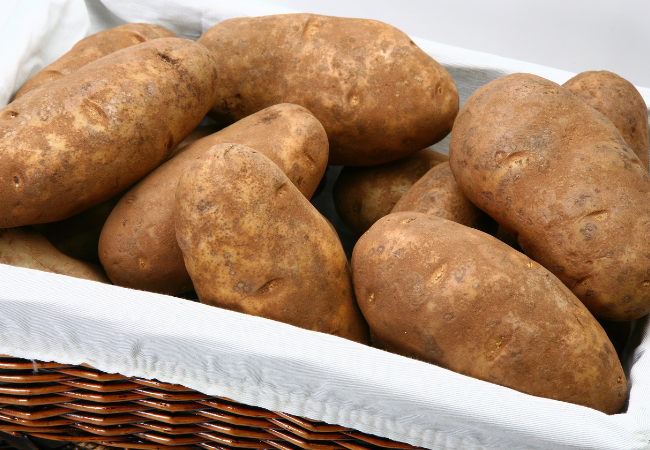
For generations, potatoes were one of the great workhorses of the kitchen: inexpensive, filling, easy to store, and endlessly adaptable. Somewhere along the way, though, the humble potato acquired a complicated reputation. It became associated with carbohydrates, blood sugar spikes, weight gain, and—perhaps most unfairly—with the nutritional baggage of French fries, chips, loaded baked potatoes, and other heavily processed or richly dressed versions.
But a simple potato is not a basket of fries.
A small baked potato with a pile of vegetables can still be one of the easiest, most economical dinners on the table. Boiled new potatoes tossed with herbs and olive oil can be a beautiful accompaniment to a simple meal. And when grocery budgets are stretched thin, potatoes deserve another look—not as a nutritional miracle, but as honest, satisfying food.
Let the Potato Be a Potato
Potatoes are starchy, and there is no reason to pretend otherwise. Harvard’s Nutrition Source suggests thinking of potatoes more like a serving of bread or grains than like a non-starchy vegetable when planning a meal.
That does not mean potatoes need to be avoided.
A potato eaten with its skin provides potassium, vitamin C, vitamin B6, and some fiber. Harvard also notes that moderate amounts of potatoes, eaten a few times a week and prepared simply, can be part of an overall healthy eating pattern.
The key is perspective.
Instead of making an enormous baked potato the center of a plate loaded with butter, bacon, sour cream, and cheese, think of a smaller potato as the foundation for a balanced meal.
Add broccoli. Add beans. Add sautéed greens. Add mushrooms, herbs, salsa, plain Greek yogurt, or a modest amount of cheese.
Suddenly, the humble potato becomes less of a “starch problem” and more of a very useful dinner ingredient.
What About Blood Sugar?
This is where potatoes often get into trouble.
Potatoes contain starch that can be digested quickly, which means they can cause blood glucose to rise relatively rapidly. Harvard notes that potatoes generally have a high glycemic load.
But how potatoes are prepared—and what you eat with them—matters.
Harvard notes that eating potatoes with healthy fats such as olive oil can slow the absorption of glucose. It also points out that cooking and then cooling potatoes increases resistant starch, which is digested more slowly.
For most people, that means there is room for common sense.
A small baked potato topped with vegetables, beans, herbs, and a drizzle of olive oil is a very different meal from a plate of French fries eaten alongside a burger and sugary drink.
And the research increasingly reflects that distinction.
A large 2025 study discussed by Harvard found that frequent French fry consumption was associated with an increased risk of type 2 diabetes, while baked, boiled, and mashed potatoes did not appear to increase risk in the same way.
For anyone who has diabetes or has been advised to closely monitor blood sugar, individual needs are different. But for the average person, there is little reason to fear an occasional modest serving of simply prepared potatoes.
Cheap and Cheerful—and Actually Delicious
Perhaps this is the part of the potato story that deserves more attention right now.
Food is expensive.
A modest baked potato can stretch a handful of other ingredients into dinner. A few mushrooms, leftover roasted vegetables, a spoonful of beans, some chopped herbs, or a small amount of cheese suddenly become a satisfying meal when they land on a warm potato.
That is the kind of cooking previous generations understood very well.
Potatoes were popular in part because they were inexpensive and easy to grow, and Harvard notes that they once had a regular place on American dinner tables before processed potato products became increasingly common.
Perhaps the problem was never the potato.
Perhaps we simply stopped cooking them simply.
A Baked Potato Is Dinner
A baked potato does not need much to become supper.
Try one with:
- Broccoli and Cheddar
Pile steamed or roasted broccoli over a split baked potato and finish with a small handful of sharp cheddar. - White Beans and Rosemary
Warm cannellini beans with garlic, rosemary, black pepper, and olive oil, then spoon them over the potato. - Mushrooms and Thyme
Sauté mushrooms with thyme and garlic and tuck them into a hot baked potato. - Spinach and Greek Yogurt
Wilt spinach with garlic, then add a spoonful of plain Greek yogurt and plenty of freshly ground pepper. - Tomato, Basil, and Parmesan
Top with chopped ripe tomatoes, basil, a drizzle of olive oil, and Parmesan. - Vegetable Chili
A ladle of bean-rich vegetable chili turns one potato into a substantial dinner. - Leftover Roasted Vegetables
Almost any combination of roasted zucchini, peppers, onions, cauliflower, broccoli, or carrots works beautifully.
The idea is not to create a restaurant-style loaded potato.
It is to use the potato as a warm, inexpensive base for vegetables and other good ingredients.
Don’t Forget Boiled Potatoes
Boiled potatoes may be even more overlooked.
Small red, yellow, or new potatoes are especially good boiled until tender, then tossed while warm with olive oil, fresh parsley or dill, lemon juice, pepper, and a small pinch of salt.
Add green beans, peas, arugula, chopped tomatoes, or wilted greens and you have something halfway between a warm salad and a simple supper.
Boiled and cooled potatoes are also useful for meals prepared ahead of time. Cooling cooked potatoes increases their resistant starch content, according to Harvard.
Think potato salads built around herbs, vegetables, mustard, vinegar, and olive oil rather than bowls swimming in heavy dressing.
Keep the Skin
Whenever practical, keep the potato skin.
A significant share of a potato’s fiber is found in the peel, so a well-scrubbed baked potato eaten skin and all offers more fiber than one that has been peeled.
The skin also happens to be delicious when baked until crisp.
A little olive oil, a light sprinkle of salt, and a hot oven are really all it needs.
Simple Food Still Has a Place
Healthy eating does not have to mean expensive specialty ingredients, protein powders, complicated recipes, or a refrigerator full of foods marketed as “superfoods.”
Sometimes dinner can simply be a potato.
Add vegetables. Add herbs. Add beans or another protein if you like. Keep the portion reasonable. Use good olive oil. Eat the skin.
And enjoy it.
The potato does not need to be crowned a nutritional superstar. It does not need to compete with broccoli, kale, or whole grains.
It just needs to reclaim its place as what it has always been: an inexpensive, comforting, wonderfully versatile food that, prepared simply and eaten sensibly, can make a very good dinner indeed.
SEE ALSO: The Secret to a Better Baked Potato Isn’t What You Think
SOURCES: The Nutrition Source, Harvard T.H. Chan School of Public Health