
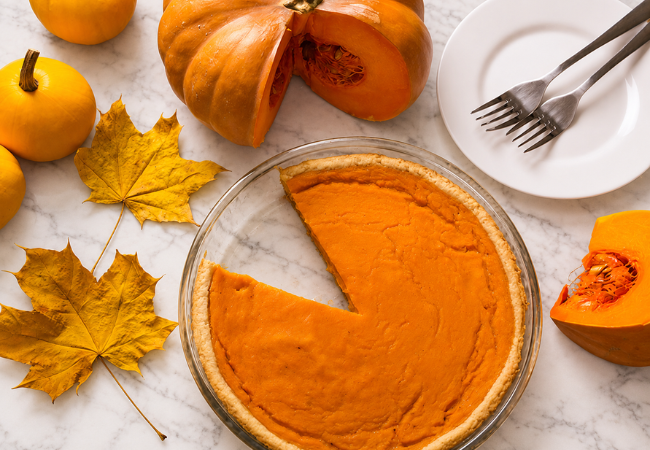
A beautiful pumpkin pie begins long before the cinnamon comes out of the cupboard. It starts with choosing the right pumpkin—and that isn’t usually the big orange one the children have picked for carving.
Those Halloween pumpkins have an important job, but making a rich, silky pie filling generally isn’t their specialty. For baking, you want flavorful flesh that cooks into a thick, smooth purée. Fortunately, the farmers market offers plenty of possibilities, including some winter squash that make wonderful “pumpkin” pies.
Save the Jack-o’-Lantern for Carving
Carving pumpkins are grown for their size, shape, and suitability for cutting into cheerful—or frightful—faces. Their flesh tends to be more watery, fibrous, and mild than pumpkins selected for cooking.
For pie, look for pumpkins labeled pie pumpkins, sugar pumpkins, or cooking pumpkins. These generally have sweeter flesh and a finer texture, giving you a better starting point for a creamy filling.
Size alone won’t tell you everything, though. Some large heirloom pumpkins are excellent cooking varieties. When in doubt, ask the farmer: “Which would you choose for pumpkin pie?”
Pumpkin or Squash? Both Can Make Delicious Pie
Here’s where the confusion begins: pumpkins are a type of winter squash. The familiar names don’t create a neat botanical dividing line between pumpkins and other squash.
That means you can make a lovely pumpkin-style pie with butternut squash—and you aren’t taking a culinary shortcut. Many winter squash have precisely the sweet flavor and smooth texture we want in pumpkin baking.
Even canned pumpkin may look quite different before it reaches the can. Libby’s, for example, uses a special variety developed from Dickinson pumpkins. These cooking pumpkins belong to the same species as butternut squash.
The useful question is simply: Will it make a flavorful, smooth purée?
Good Choices for Your Next Pie
Start with these pumpkins and winter squash:
- Small Sugar or New England Pie pumpkins: Familiar small orange pumpkins grown for cooking. They’re a practical starting point for homemade pumpkin purée.
- Winter Luxury pumpkins: Recognizable by their delicate netted skin, these pie pumpkins are prized for their silky texture.
- Butternut squash: A useful alternative when pie pumpkins aren’t available. Its smooth flesh works beautifully in pumpkin baking.
You may also find Hubbard, buttercup, kabocha, or other cooking varieties at the market. Ask your grower which ones have the flavor and texture best suited to baking.
Can You Substitute Squash for Pumpkin—and Pumpkin for Squash?
Often, yes. In recipes calling for cooked purée, a dense cooking pumpkin and a suitable winter squash can frequently stand in for one another. That opens up possibilities for pies, muffins, quick breads, and soups.
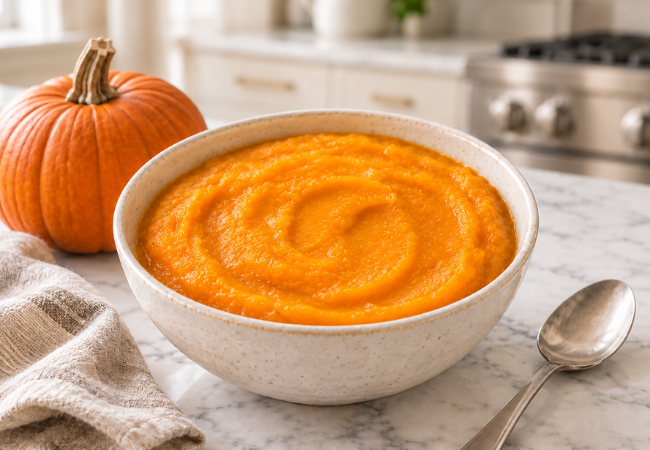
The key is matching the consistency. Roast the flesh until tender, purée until smooth, and drain excess moisture before measuring. Your purée should be thick and spoonable, without liquid pooling around it. Use the amount specified in your recipe, and expect some variation in flavor, sweetness, and color.
For a special occasion, try your chosen variety in advance. A little experimenting now can make baking day much more relaxed.
Homemade or Canned? There’s Room for Both
Canned pumpkin is convenient and consistent. Homemade purée gives you a chance to explore different varieties and bake with something grown close to home. Both belong in a well-used kitchen.
One shopping detail matters: plain pumpkin purée and pumpkin pie mix are different products. Pie mix already contains sweetener and seasonings, so it shouldn’t replace plain purée unless the recipe calls for it.
On your next market visit, take a second look at the pumpkins and winter squash. Ask a question, bring home a cooking variety, and see what becomes your favorite. Your signature pumpkin pie may begin with a butternut—and that’s a delicious discovery.
RECIPES: Find pumpkin recipes here!