
Walk through any grocery store today and you’ll find an endless parade of sweeteners promising to be the “better” choice.
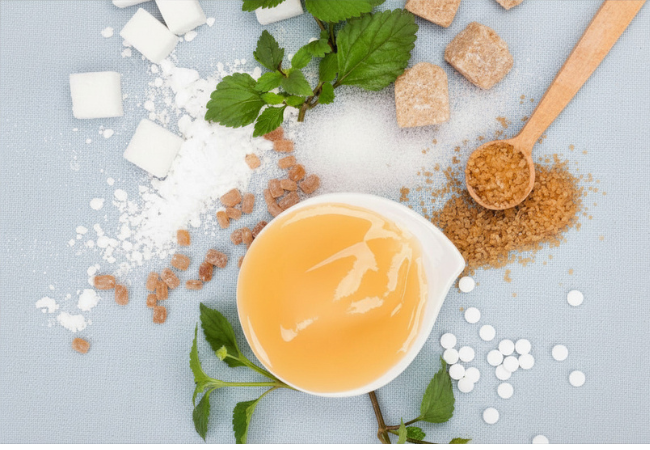
Raw sugar. Coconut sugar. Maple syrup. Honey. Agave. Coconut syrup. Date syrup. Monk fruit. Stevia. Artificial sweeteners with names that sound more like chemistry experiments than food.
Somewhere along the way, sugar became less about sweetness and more about strategy — with consumers constantly searching for the healthiest option.
But according to many nutrition experts and dietitians, the answer may be far simpler than we’ve been led to believe:
There probably isn’t one perfect sweetener.
At the end of the day, most sweeteners are still sugar.
The Problem Isn’t One Spoonful of Sugar
For generations, people sweetened tea with honey, baked pies with cane sugar, or drizzled maple syrup over pancakes without turning every meal into a nutritional debate.
The bigger issue isn’t necessarily occasional sweetness itself — it’s the sheer amount of added sugar hiding in modern processed foods.
Sweeteners now appear in everything from salad dressings and yogurt to pasta sauce, granola bars, protein drinks, cereals, and even bread. Many people consume far more added sugar than they realize, often without tasting obvious sweetness at all.
That’s where health concerns begin to emerge.
Too much added sugar has been linked to inflammation, weight gain, insulin resistance, fatty liver disease, and increased risk for chronic illnesses including Type 2 diabetes and heart disease.
The conversation, then, may not be about finding a “miracle” sweetener.
It may be about learning to crave less sweetness overall.
Is Honey Better Than Sugar?
Honey is often viewed as one of the more natural sweeteners — and in some ways, it is.
Raw honey contains trace enzymes, antioxidants, and small amounts of minerals. Local honey has also long been appreciated for its connection to local agriculture and pollinator health.
But nutritionally speaking, honey is still a concentrated sugar source.
The same is true for maple syrup, which contains small amounts of manganese, zinc, and other minerals, but still affects blood sugar similarly when consumed in large amounts.
Even coconut sugar — often marketed as healthier — remains sugar.
That doesn’t mean these traditional sweeteners are “bad.” In fact, many cooks prefer them precisely because they are less processed and bring real flavor to food.
A spoonful of local honey in plain yogurt may feel far more satisfying — and far less artificial — than an ultra-processed “sugar-free” alternative loaded with additives.
What About Artificial Sweeteners?
Artificial and highly processed sweeteners remain controversial.
Some people rely on them to reduce sugar intake or help manage diabetes. Others avoid them due to concerns about processing, aftertaste, digestive issues, or the way intensely sweet flavors may continue to reinforce sugar cravings.
Research on long-term health effects continues to evolve, but many nutrition professionals increasingly encourage a more balanced approach: reducing overall sweetness rather than endlessly replacing one sweetener with another.
In other words, the goal may not be to trick the body with sweeter and sweeter substitutes.
It may be to recalibrate the palate itself.
The Farmers Market Approach to Sweetness
At the farmers market, sweetness often arrives differently.
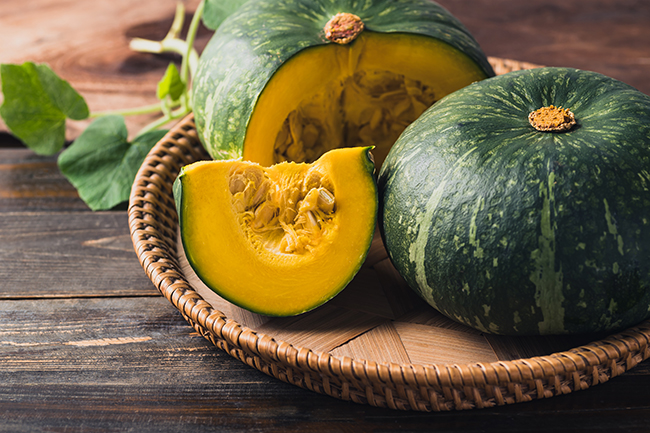
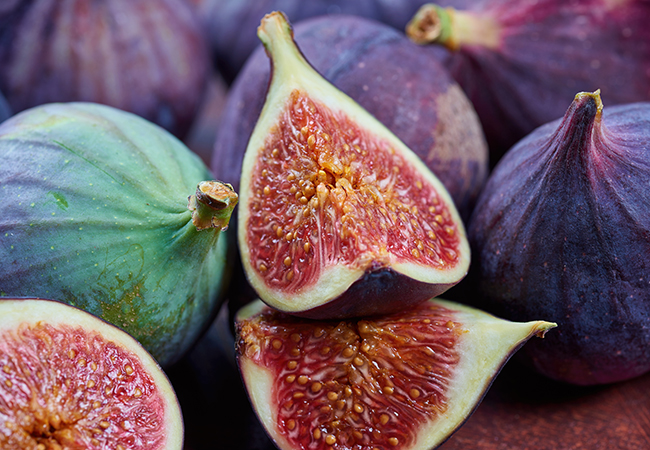
A perfectly ripe strawberry in June. A juicy peach eaten over the sink. Sun-warmed cherries. Dry-farmed melons. Fresh dates. Roasted sweet potatoes. Slow-cooked onions. Carrots pulled from the soil that morning.
Real food contains natural sweetness — often paired with fiber, water, nutrients, and flavor complexity that processed foods simply can’t replicate.
When people begin eating more seasonal produce and less heavily processed food, many discover they naturally need less added sugar overall.
Desserts can still exist. Maple syrup can still belong in the pantry. Honey can still be drizzled over warm toast or stirred into tea.
But sweetness becomes something appreciated rather than constant.
So…Which Sweetener Wins?
The answer may not be very trendy, but it’s refreshingly simple: The healthiest sweetener is probably the one you use sparingly.
Whether it’s honey, maple syrup, cane sugar, or another traditional sweetener, moderation matters more than marketing claims.
Choosing less-processed sweeteners when possible may make sense for flavor and simplicity. But no sweetener magically transforms cookies into health food.
Perhaps the healthiest shift isn’t swapping one sugar for another.
Perhaps it’s rediscovering how naturally sweet real food already is.