
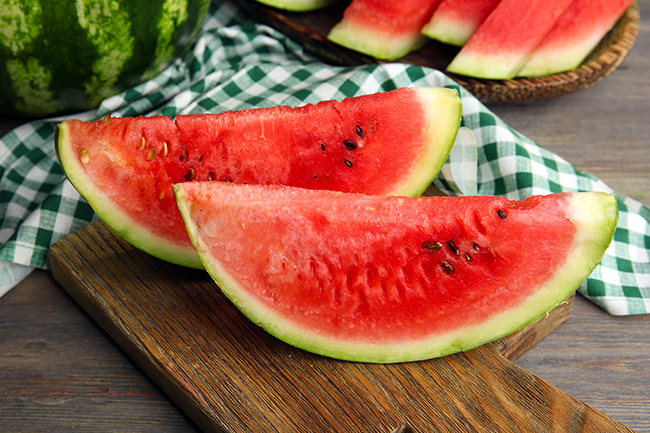
Few things capture the taste of summer quite like biting into a slice of cold, juicy watermelon. With its vibrant ruby-red flesh, crisp texture, and natural sweetness, watermelon is a classic warm-weather favorite — but it’s more than just a picnic treat. This refreshing fruit is also packed with hydration, nutrients, and health-supporting benefits that make it a smart choice all season long.
Living up to its name, watermelon is about 90% water, making it one of the most hydrating foods you can enjoy during the heat of summer. On warm days, it helps cool the body, quench thirst, and replenish fluids in the most delicious way. Proper hydration supports nearly every system in the body, from digestion and circulation to healthy skin and steady energy.
Despite being low in calories, watermelon offers an impressive mix of nutrients. It provides vitamins A and C, which support immune health, vision, and skin. It also contains potassium and magnesium, minerals that play an important role in muscle function, fluid balance, and heart health.
That beautiful red color comes from lycopene, a powerful antioxidant also found in tomatoes. Along with vitamin C and other plant compounds, lycopene helps protect cells from oxidative stress and supports overall wellness.
A Refreshing Fruit with Many Benefits
Watermelon may taste like a simple summer indulgence, but it brings more to the table than sweetness. Its high water content, paired with a small amount of natural fiber, makes it gentle and refreshing for digestion. It can help keep things moving while offering a satisfying snack that feels light and cooling.
Watermelon also contains citrulline, an amino acid that has been studied for its role in supporting healthy blood flow. This is one reason watermelon is often enjoyed as a post-workout snack — it’s hydrating, easy to digest, and naturally sweet.
For heart health, watermelon offers a helpful combination of potassium, magnesium, vitamin C, and antioxidants. Regularly enjoying a variety of fruits and vegetables, including watermelon, is one of the simplest ways to support long-term cardiovascular wellness.
And because watermelon is naturally low in calories yet pleasantly filling, it’s a wonderful way to satisfy a sweet craving without feeling heavy. A chilled wedge on a hot afternoon is proof that the best summer desserts are often the simplest.
How to Pick the Perfect Watermelon
Choosing a ripe watermelon is easier when you know what to look for:
- Look for the field spot. A creamy yellow patch on the underside shows where the melon rested on the ground as it ripened in the sun. A pale or white spot may mean it was picked too early.
- Give it a tap. A ripe watermelon should have a deep, hollow sound when tapped.
- Check the shape and weight. Choose a melon that is uniform in shape, free of soft spots, and heavy for its size. That heaviness usually means it’s full of juice.
Storing Watermelon
A whole watermelon can be stored at room temperature for about a week. Once cut, store slices or cubes in the refrigerator in a covered container or tightly wrapped to preserve freshness and prevent the fruit from absorbing other food odors.
Cut watermelon is best enjoyed within 3 to 4 days. For a fun and refreshing treat, freeze cubes and blend them into smoothies, agua frescas, slushies, or summer cocktails.
Delicious Ways to Enjoy Watermelon
Watermelon is endlessly versatile. Serve it chilled and sliced for a simple snack, cube it for fruit salads, blend it into smoothies, or pair it with fresh mint, lime, or feta for a savory-sweet summer salad. It can even be grilled for a smoky, caramelized twist.
However you enjoy it, ripe watermelon is one of the great pleasures of the season — cool, colorful, naturally sweet, and wonderfully refreshing.
RECIPES: Here are some of our favorite watermelon recipes.