
There was a time when Brussels sprouts were the most dreaded vegetable on the Thanksgiving table. Remember those little olive-green cabbages, boiled until soft and filling the kitchen with an unmistakable aroma? For many of us, one childhood encounter was enough to swear them off for good.
But what a difference a few decades—and a little culinary creativity—can make!
Today, Brussels sprouts have become one of autumn’s most celebrated vegetables, appearing on restaurant menus and holiday tables in all sorts of delicious ways. Roasted until their edges are deeply caramelized, tossed with tangy glazes, or paired with apples, mustard, and savory seasonings, these once-maligned little cabbages have finally earned their place in the spotlight.
And if you haven’t given Brussels sprouts a second chance, you’re in for a pleasant surprise.
What Changed? Better Sprouts and Better Cooking
Part of the Brussels sprouts renaissance began in the fields. Over the years, plant breeders developed varieties with lower levels of some of the naturally occurring compounds responsible for their characteristic bitterness. Today’s sprouts can taste noticeably milder and sweeter than the ones many of us remember from childhood.
But the real magic happens in the kitchen.
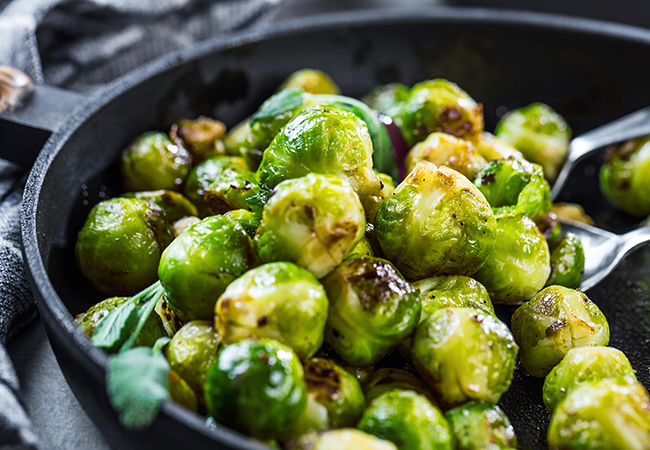
High-heat cooking methods such as roasting, grilling, and pan-searing bring out the vegetable’s natural sweetness while creating deliciously browned, crispy edges. Instead of the soft, sulfurous sprouts of yesteryear, we now enjoy tender centers, nutty flavors, and irresistible caramelization.
Brussels sprouts also happen to love bold flavor companions. A splash of balsamic vinegar, a drizzle of honey, a little Dijon mustard, or the brightness of fresh citrus can turn a simple pan of roasted sprouts into something extraordinary.
Fresh from the Farmers Market
Fall and winter are wonderful seasons for Brussels sprouts, especially when cooler weather brings out their natural sweetness. At the farmers market, look for firm, compact sprouts with tightly closed leaves and a fresh green color.
Smaller sprouts are often especially tender, while larger ones are excellent for roasting, shredding, or braising. If you find Brussels sprouts still attached to their impressive, towering stalks, don’t pass them by! They’re a wonderful example of how this unusual vegetable grows.
A few tips for better Brussels sprouts:
- Give them room to roast. Spread halved sprouts in a single layer on a baking sheet. Overcrowding causes steaming rather than browning.
- Place the cut sides down. This creates beautifully caramelized surfaces and helps develop their naturally sweet, nutty flavor.
- Don’t overcook them. Brussels sprouts are best when just tender, with a little texture remaining.
- Add glazes toward the end. Honey, maple syrup, and sweet balsamic reductions can burn at high temperatures, so save them for the final minutes or drizzle them over the finished dish.
- Try them raw. Finely shredded Brussels sprouts make wonderful autumn salads with crisp apples, toasted nuts, dried cranberries, and a bright citrus vinaigrette.
Four Fabulous Brussels Sprouts Recipes to Try
Whether you’re planning a Thanksgiving menu, looking for a new vegetable side dish, or simply hoping to convert a Brussels sprouts skeptic, these four recipes showcase just how versatile this humble vegetable can be.
Easy Roasted Brussels Sprouts with Balsamic Vinegar and Honey Glaze
Sometimes the simplest combinations are the most memorable. Roasted Brussels sprouts develop golden, crispy edges before being finished with a glossy balsamic and honey glaze. The balance of sweet, tangy, and savory flavors makes this an easy favorite for weeknight dinners and holiday gatherings alike.
Brussels Sprouts with Apple Gastrique
Apples and Brussels sprouts are natural autumn companions. In this delicious variation, apple juice, honey, and a splash of apple cider vinegar create a sweet-tart glaze that complements the vegetable’s earthy, roasted flavor. Serve these warm from the oven as a colorful side dish or a tempting seasonal appetizer.
Brined and Roasted Brussels Sprouts
A savory, umami-rich brine gives these Brussels sprouts an extra layer of flavor before they head into the oven. Roasting brings out their natural sweetness while adding a wonderful depth and subtle smokiness. Finish with a little grated fresh garlic and cracked black pepper for a particularly satisfying vegetable dish.
Beer-Braised Brussels Sprouts with Mustard Sauce
For something hearty and comforting, try Brussels sprouts braised in beer and finished with a creamy mustard sauce. The savory richness of the beer and the gentle tang of mustard make this a delicious accompaniment to roasted meats, grilled sausages, or a cozy autumn supper. It’s an especially appealing alternative to traditional holiday vegetable sides.
A Little Vegetable Worth Celebrating
Brussels sprouts have certainly come a long way from their days as the most unpopular guest at the holiday table. And perhaps that’s the best part of their story: sometimes an ingredient simply needs a new approach to reveal how wonderful it can be.
This fall, bring home a basket of fresh Brussels sprouts from the farmers market and try something different. Roast them until their edges are crisp, dress them with a bright glaze, or shave them into a colorful seasonal salad.
You might just discover that the vegetable you once avoided has become one of your favorite things on the table.
Want to learn more? Visit our Brussels Sprouts Farmers Market Guide for tips on selecting, storing, and enjoying these delicious little cabbages.