
From golden roasted potatoes to flaky pie crusts and traditional Christmas puddings, the cooking fats our grandparents knew so well are finding their way back into modern kitchens.
There was a time when a good cook kept more than butter and cooking oil in the kitchen.
A jar of bacon drippings might sit in the refrigerator, ready for frying potatoes or seasoning a pot of beans. Chicken fat was carefully saved for sautéing onions. Lard was the secret to exceptionally tender pie crusts, and beef dripping gave Sunday roast potatoes their irresistible golden crust.
Nothing was wasted, and every fat had its purpose.
For generations, this wasn’t a culinary trend. It was simply good kitchen economy.
Then vegetable shortening and inexpensive refined cooking oils became widely available, dietary recommendations changed, and many traditional animal fats gradually disappeared from American kitchens.
Now they’re making a comeback.
Beef tallow, lard, and other traditional cooking fats are attracting renewed interest among home cooks, chefs, small farms, and whole-animal butchers. Some of that enthusiasm comes from changing dietary trends, but there’s another reason worth exploring: these fats have distinctive flavors, textures, and cooking qualities that other ingredients simply cannot duplicate.
And perhaps their return is about something more than cooking.
It’s also about rediscovering the practical kitchen wisdom of earlier generations, understanding where our food comes from, and making thoughtful use of the whole animal.
What Exactly Is Beef Tallow?
Beef tallow is rendered beef fat. During rendering, fat is gently heated until the liquid fat separates from moisture, connective tissue, and other solids. The liquid is strained and allowed to cool, producing a firm, creamy-white cooking fat.
Depending on how it’s rendered, tallow may have a mild flavor or a more pronounced, savory beef character.
One of the most prized sources of tallow is suet, the hard fat found around the kidneys and loins of cattle.
This particular fat is especially valued because it can produce a clean, mild-tasting tallow when carefully rendered.
In traditional British cooking, you may also encounter the term beef dripping. Although the terminology varies, dripping generally refers to rendered beef fat, particularly the flavorful fat collected from roasting meat.
Both tallow and dripping have long been prized for roasting and frying.
And if you’ve ever enjoyed truly exceptional English roast potatoes, there’s a good chance beef fat had something to do with them.
Suet: The Secret Ingredient in Traditional English Puddings
Here’s a fascinating bit of culinary history.
Long before beef tallow became fashionable again, suet was an essential ingredient in British kitchens, particularly during the holiday season.
Traditional Christmas puddings, steamed suet puddings, and the wonderfully named spotted dick all relied on suet for their characteristic texture.
Unlike tallow, which has already been rendered, suet is traditionally used in its raw, finely chopped or grated form when making these puddings.
As the pudding steams, the suet slowly melts, contributing richness and helping create the moist, tender texture associated with these old-fashioned desserts.
Suet also appears in savory British classics, including steak-and-kidney pudding, where it helps create a tender pastry casing around the filling.
For generations, cooks purchased suet from their butcher or carefully prepared it at home.
Today, traditional suet is less familiar to many American home cooks, although it remains an important ingredient in classic British cooking.
It’s worth remembering that rendered tallow and raw suet aren’t always interchangeable. Each behaves differently in a recipe, and traditional pudding recipes generally depend on the properties of unrendered suet.
And What About Lard? The Pastry Cook’s Secret
While beef suet was finding its way into British puddings, another traditional animal fat was earning a reputation in American kitchens.
Lard.
Lard is rendered pork fat, and for generations it was an indispensable ingredient in everything from biscuits and tortillas to fried chicken and pie crusts.
But not all lard is the same.
Leaf lard, rendered from the soft fat surrounding a pig’s kidneys and extending along the loin, is particularly prized for baking.
Unlike some other pork fats, carefully rendered leaf lard has a relatively mild flavor, making it especially suitable for delicate pastry.
And its texture is remarkable.
Leaf lard can produce exceptionally tender, flaky pie crusts because it coats flour particles and helps limit gluten development. When properly incorporated into pastry dough, it creates delicate layers that bake into a beautifully tender crust.
For generations, accomplished pie bakers considered leaf lard one of their most valuable ingredients.
It was particularly useful for fruit pies, where the crust needed to be tender and flaky without introducing a strong savory flavor.
Of course, lard isn’t limited to pastry.
It’s traditional in tamales, tortillas, biscuits, and many savory dishes. It also works beautifully for frying potatoes, cooking eggs, and sautéing vegetables.
The important distinction is understanding which type of lard you’re using.
Leaf lard is generally best suited to delicate baking, while other rendered pork fats may have a more pronounced flavor that works wonderfully in savory cooking.
Why Beef Tallow Is Finding Its Way Back Into the Skillet
For modern cooks discovering beef tallow, the easiest place to begin is with potatoes.
There’s a reason British cooks have roasted potatoes in beef dripping for generations.
Tallow helps produce a beautifully crisp, golden exterior while allowing the inside of the potato to remain soft and creamy.
The result is the kind of roast potato that disappears from the serving platter before anything else.
Tallow is also excellent for roasting root vegetables, particularly carrots, parsnips, onions, and winter squash.
A little melted tallow tossed with vegetables before roasting encourages browning and adds a subtle savory richness.
It’s also useful for searing beef, frying hash potatoes, sautéing mushrooms, or beginning a hearty beef stew.
Because properly rendered tallow performs well at relatively high cooking temperatures, it’s particularly useful for roasting and frying. Its smoke point is often estimated at approximately 400°F, although the actual temperature varies depending on the fat and how it has been processed.
And while beef tallow is often associated with hearty meat dishes, it can also bring wonderful depth to vegetables.
Try roasting a pan of carrots, onions, and parsnips with a little tallow, fresh sage, salt, and pepper.
Sometimes the simplest ingredients make the most memorable dishes.
Beyond the Kitchen: Tallow’s Traditional Household Uses
Our ancestors understood something that modern households are beginning to rediscover: animal fats had useful purposes beyond cooking.
Tallow was once an important ingredient in everyday household products.
Before inexpensive commercial candles became widely available, tallow candles provided light in countless homes. Tallow was also used in traditional soapmaking and in preparations intended to soften and protect the skin.
These uses were part of the practical economy of farm life.
An animal provided meat for the table, but other parts were carefully put to use as well.
Today, small farms and traditional craftspeople are bringing some of these practices back.
Tallow-based soaps and skin balms have become increasingly popular among people interested in simple, traditional products.
Because tallow contains fatty acids that help soften and condition the skin, it can serve as an emollient ingredient in skin-care preparations. However, the benefits of any finished product depend on its formulation, and tallow should not be considered a substitute for medically recommended skin treatments.
It’s another interesting example of how an ingredient once considered ordinary has found a new audience.
A Local Farmstead Keeping Traditional Practices Alive
One of the pleasures of shopping at our local farmers markets is discovering producers who are keeping traditional agricultural practices alive.
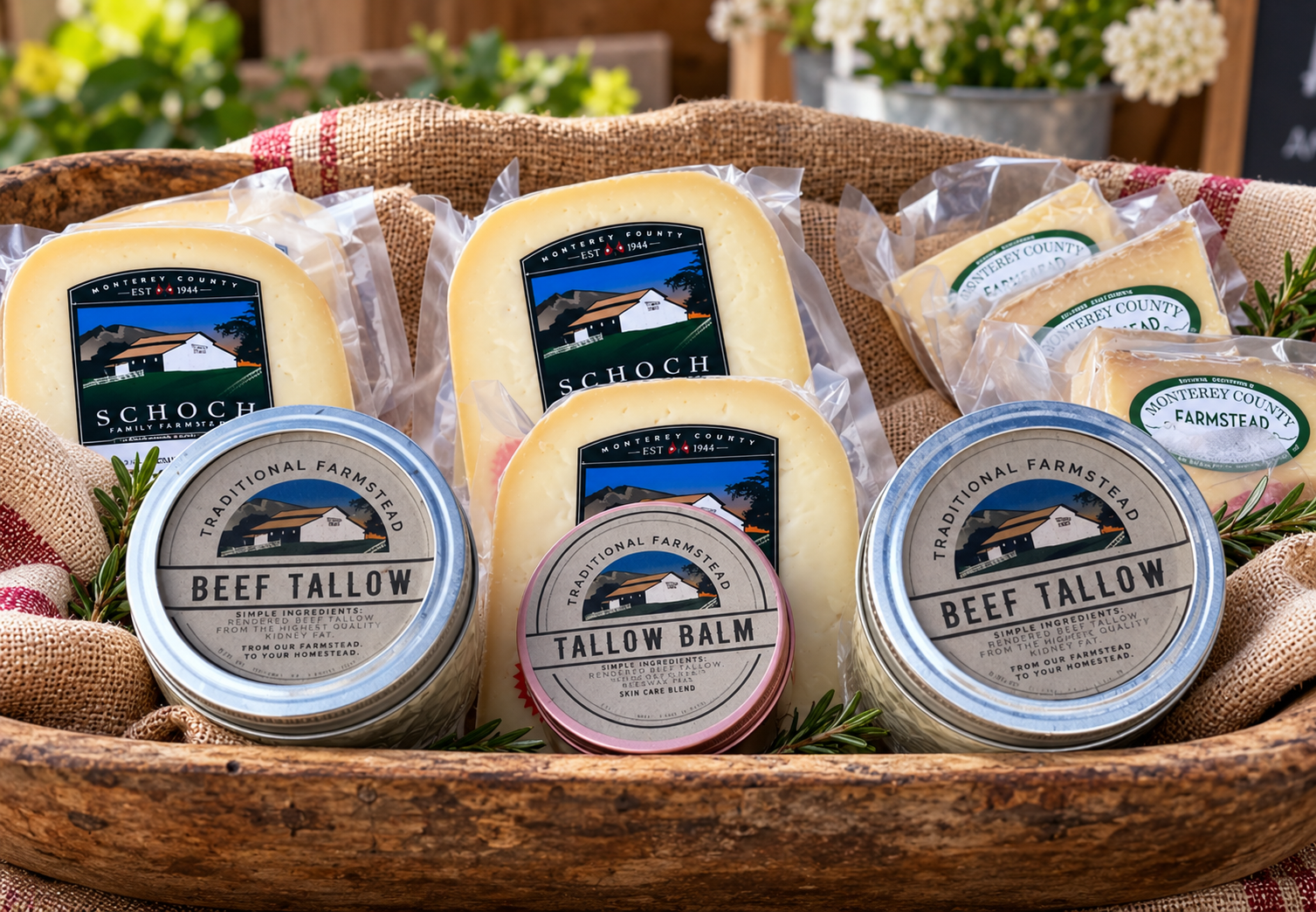
Schoch Family Farmstead, a Monterey County dairy known for its raw milk, artisan cheeses, yogurt, and butter, also offers farm-raised meat and traditional beef tallow products.
Their beef tallow is rendered from the prized fat surrounding the kidneys, a source valued for producing particularly fine-quality tallow.
It’s exactly the kind of product that would have been familiar to earlier generations of farm families.
In addition to cooking tallow, Schoch Family Farmstead offers a handcrafted tallow skin balm, made with rendered beef tallow, jojoba oil, and essential oils.
It’s a lovely example of how traditional farmstead ingredients can serve more than one purpose.
And it reflects something important about whole-animal agriculture: making thoughtful use of the resources an animal provides rather than focusing exclusively on familiar cuts of meat.
At Monterey Bay Certified Farmers Markets, other producers also offer products that connect with this tradition.
Fogline Farms, which raises poultry and pork, is another producer worth asking about traditional animal fats. Kitchen Table Cultures offers foods such as bone broth that reflect a similar appreciation for traditional preparation methods and making good use of ingredients.
Availability varies, of course, but these are wonderful conversations to have directly with farmers and producers.
- Ask where the fat comes from.
- Ask how it was rendered.
- And perhaps most importantly, ask how they like to cook with it.
Farmers are often the source of the best kitchen wisdom.
Rendering: An Old Kitchen Skill Worth Remembering
Rendering may sound like a complicated culinary technique, but the basic principle is surprisingly simple.
Fat is heated gently until the liquid fat separates from moisture, connective tissue, and other solids.
The key is patience.
High heat can scorch the fat and introduce unwanted flavors. Gentle heating allows the fat to melt gradually, producing a cleaner-tasting finished product.
Once rendered, the liquid fat is carefully strained and allowed to cool.
Beef tallow becomes relatively firm at room temperature, while lard and poultry fats generally remain softer.
If you’re interested in rendering your own fat, begin with exceptionally fresh fat from a trusted farmer or butcher.
Use clean equipment, avoid overheating, and strain the finished fat carefully. Refrigerate homemade rendered fats promptly in clean, covered containers, or freeze them for longer storage.
Of course, there’s no requirement to render fat yourself.
Purchasing prepared tallow or lard from a local farmer or butcher is an excellent way to explore these traditional ingredients without adding another project to your kitchen.
Don’t Forget Schmaltz!
While we’re rediscovering traditional cooking fats, there’s another one that deserves a little attention.
Schmaltz.
Traditionally made by rendering chicken or goose fat, schmaltz has a rich, savory flavor that can transform even the simplest dishes.
It’s particularly wonderful for sautéing onions, roasting potatoes, cooking mushrooms, or adding depth to beans and grains.
In traditional Jewish cooking, schmaltz has long been an important ingredient in dishes such as chopped liver and matzo balls.
And in many home kitchens, saving chicken fat was simply part of making the most of a roast chicken.
Even a tablespoon can bring remarkable flavor to a pan of vegetables.
It’s one of those ingredients where the old saying waste not, want not turns out to be excellent culinary advice.
But Are Animal Fats Healthy Again?
The renewed popularity of tallow and lard has brought plenty of nutritional claims along with it.
Some suggest that traditional animal fats have been completely vindicated, while modern vegetable oils should be avoided.
But nutrition science is more complicated than that.
Tallow and lard contain saturated fat, although their fatty-acid profiles differ. Current cardiovascular recommendations continue to emphasize replacing some saturated fats with unsaturated fats as part of a heart-healthy dietary pattern.
The American Heart Association’s 2026 dietary guidance continues to recommend foods containing unsaturated fats, including sources such as olive oil, nuts, and seeds.
That doesn’t mean a jar of locally rendered lard or tallow needs to be banished from the kitchen.
It simply means we don’t need to turn one traditional ingredient into a miracle food—or another into a villain.
Olive oil can stay.
So can butter.
And there may be room beside them for a jar of tallow, lard, or chicken fat, used thoughtfully for the dishes where their particular qualities matter most.
The Real Kitchen Wisdom Is Knowing What to Use—and When
Perhaps what’s worth rediscovering isn’t simply beef tallow or lard.
It’s the older understanding that different fats serve different purposes:
- Olive oil for vinaigrettes and vegetables.
- Butter for flavor and baking.
- Leaf lard for exceptionally tender pie crusts.
- Beef suet for traditional steamed puddings.
- Tallow for beautifully browned potatoes.
- Chicken fat for onions, vegetables, and savory dishes.
Our grandparents didn’t expect one bottle of cooking oil to do absolutely everything.
They understood that good cooking often begins with choosing the right ingredient for the job.
And they knew that making thoughtful use of what was available wasn’t a lifestyle statement or a culinary trend.
It was simply part of being a good cook.
Perhaps that’s the real wisdom worth bringing back into our kitchens.
RECIPES TO TRY:
Crispy English-Style Roast Potatoes with Beef Tallow
The traditional British method for producing irresistibly crisp, golden potatoes with soft, fluffy centers.
Tallow-Roasted Carrots, Onions, and Parsnips with Sage
A simple, deeply flavorful side dish that demonstrates how beautifully beef tallow complements seasonal root vegetables.
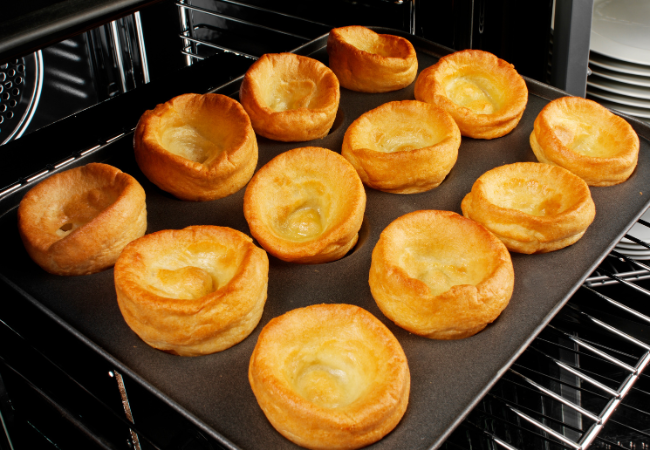
Individual Yorkshire Puddings with Beef Tallow
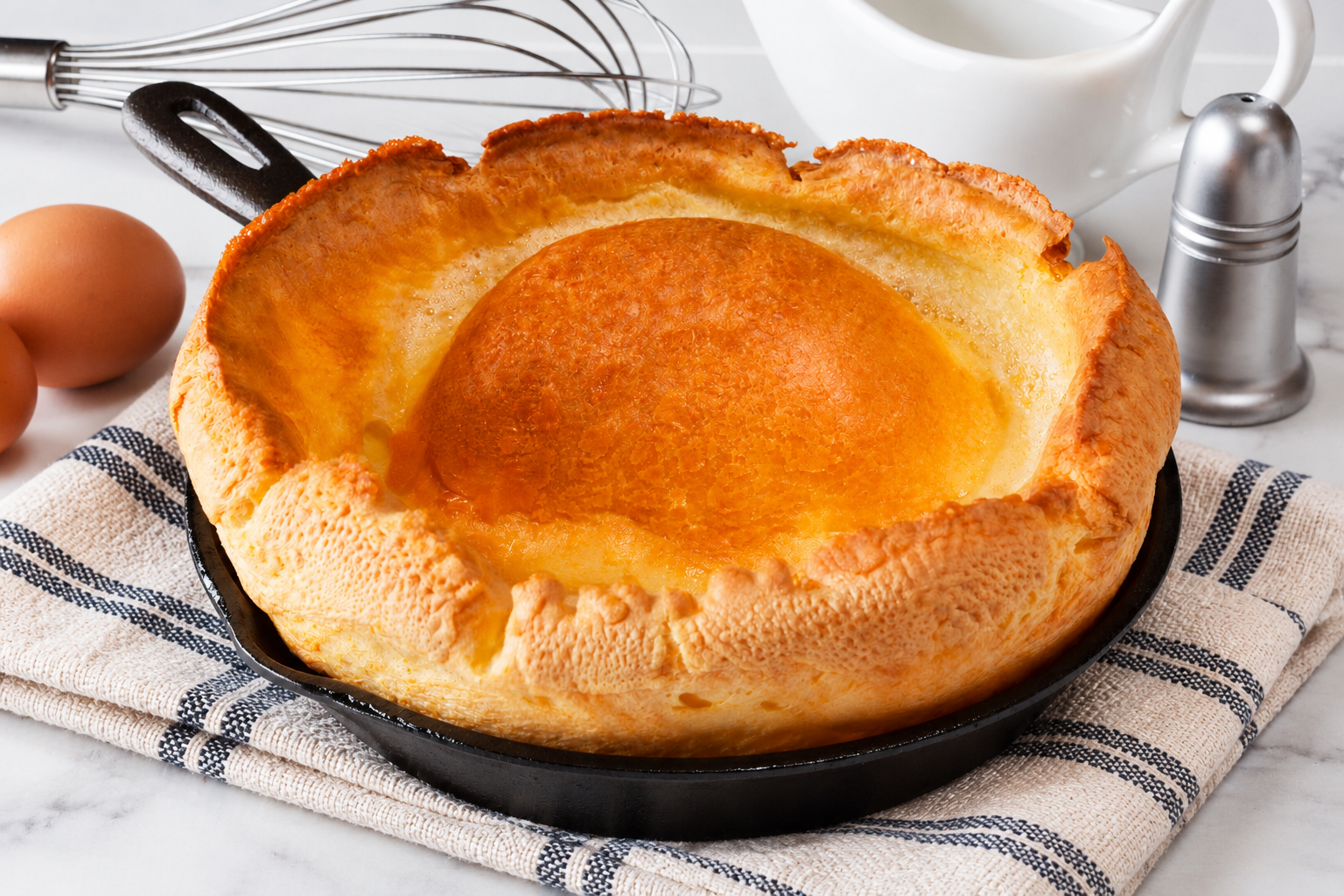
Traditional Yorkshire Pudding with Beef Tallow