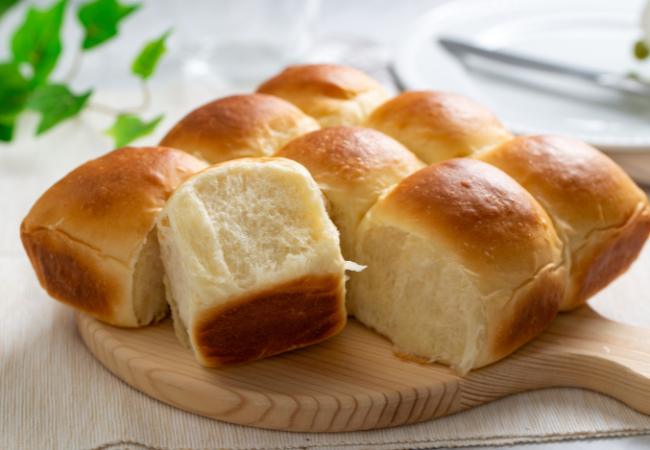

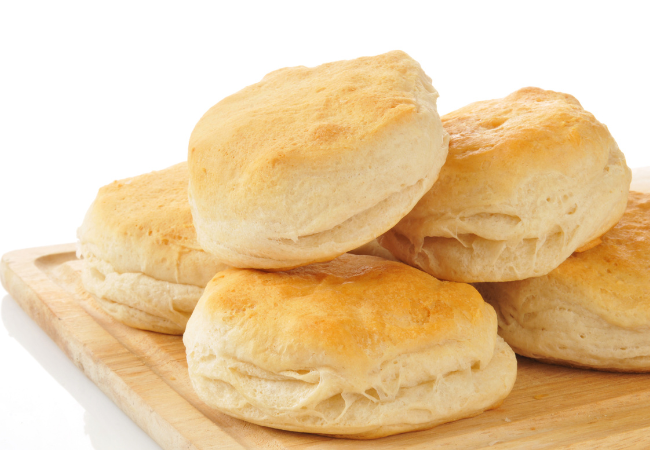
Somewhere between a buttery Southern biscuit and a soft, fluffy dinner roll, Angel Biscuits truly live up to their heavenly name. Golden on the outside, tender and pillowy on the inside, these old-fashioned favorites get their remarkably light texture from a combination of yeast, baking powder, and baking soda—a clever baking technique that delivers the best of both worlds.
A beloved staple of Southern kitchens, angel biscuits are especially welcome at holiday gatherings. They’re a delicious alternative to traditional Thanksgiving dinner rolls, perfect for soaking up turkey gravy, spreading with honey butter, or tucking around a slice of leftover turkey the next day. Best of all, they’re surprisingly easy to make and reheat beautifully, making them a practical addition to a busy holiday menu.
Sometimes called bride’s biscuits or riz biscuits, angel biscuits have long been considered one of the more forgiving breads in Southern baking. Their three leavening agents work together to produce a tender, airy biscuit without the lengthy rising time required for traditional yeast rolls. While some recipes call for baking the biscuits immediately, allowing them a short rest before baking gives the yeast a chance to work its magic. As generations of Southern grandmothers might say, let them rise “until they’re puffy.”
Serve them warm from the oven with a generous pat of butter, and don’t be surprised if they disappear before the turkey is carved!
INGREDIENTS:
1 package (1/4 ounce or 2 1/4 teaspoons) active dry yeast
1/4 cup warm water (105–110°F)
2 cups buttermilk
5 cups all-purpose flour
1 tablespoon baking powder
1 teaspoon baking soda
2 teaspoons salt
3 tablespoons sugar
3/4 cup vegetable shortening, chilled
Melted butter, for brushing
METHOD:
Line a baking sheet with parchment paper or a silicone baking mat.
In a small bowl, dissolve the yeast in the warm water and let stand for 5–10 minutes, until foamy. Stir in the buttermilk and set aside.
In a large mixing bowl, whisk together the flour, baking powder, baking soda, salt, and sugar. Using a pastry blender or two forks, cut the chilled shortening into the flour mixture until it resembles coarse crumbs, with some pea-sized pieces remaining.
Pour the yeast-buttermilk mixture into the dry ingredients and stir gently just until a soft, slightly shaggy dough forms. Avoid overmixing, which can make the biscuits tough.
Turn the dough out onto a lightly floured work surface. Knead gently 4–5 times, just enough to bring the dough together into a soft, cohesive mass.
Pat or roll the dough to approximately 3/4-inch thickness. Using a floured 2 1/2-inch round biscuit cutter, cut the biscuits by pressing straight down without twisting. Gather the scraps gently, pat them together, and cut additional biscuits.
Arrange the biscuits on the prepared baking sheet, placing them close together with their edges just touching. This encourages the biscuits to rise upward rather than spread outward.
Cover loosely with a clean kitchen towel and allow the biscuits to rest in a warm, draft-free place for 20–30 minutes, or until they look slightly puffy. They do not need to double in size.
While the biscuits are resting, preheat the oven to 425°F.
Just before baking, gently brush the tops with melted butter. Place the baking sheet on the lower oven rack and bake for 10–12 minutes, or until the biscuits have risen and the tops are golden brown.
Remove from the oven and immediately brush with additional melted butter.
Serve warm for the lightest, fluffiest texture.
Bakers Notes
Why three leavening agents? The secret to angel biscuits is the combination of yeast, baking powder, and baking soda. The yeast contributes flavor and a soft, bread-like texture, while the baking powder and baking soda provide additional lift during baking. Together, they create the distinctive lightness that gives angel biscuits their name.
Do the biscuits have to rise? Not necessarily. Angel biscuits can be baked immediately after cutting, thanks to the baking powder and baking soda. However, a brief 20–30 minute rest allows the yeast to begin working and can produce a slightly lighter, more pillowy biscuit. For a more pronounced yeast-roll texture, some traditional recipes allow the biscuits to rise for 45–60 minutes or longer. For this recipe, a short rise until slightly puffy is recommended.
For the tallest biscuits: Use a sharp biscuit cutter and press straight down without twisting. Twisting can pinch the edges and interfere with an even rise. Handle the dough gently and avoid adding too much flour when rolling and cutting.
Make-ahead and reheating: Angel biscuits are best enjoyed freshly baked, but they can be made a day ahead. Cool completely, store in an airtight container, and refrigerate if keeping them beyond the day of baking. To reheat, arrange the biscuits on a baking sheet, cover loosely with foil, and warm in a 300°F oven for 10–15 minutes, or until heated through. Brush with a little melted butter before serving.
For longer storage, freeze completely cooled biscuits in an airtight freezer container or freezer bag for up to 2–3 months. Thaw before reheating.
Serving Suggestions:
For Thanksgiving: Serve warm alongside roast turkey, dressing, and gravy. Angel biscuits make a lovely alternative to traditional dinner rolls and are particularly good for soaking up pan juices.
For breakfast or brunch: Split warm biscuits and spread with cinnamon honey butter, homemade preserves, or a spoonful of fruit jam.
For a Southern-style supper: Pair with fried chicken, country ham, or sausage gravy.
For Thanksgiving leftovers: Split the biscuits and fill with thinly sliced turkey, cranberry sauce, and a little leftover dressing for irresistible miniature holiday sandwiches.
YIELD: Approximately 18 biscuits, depending on thickness and cutter size.