
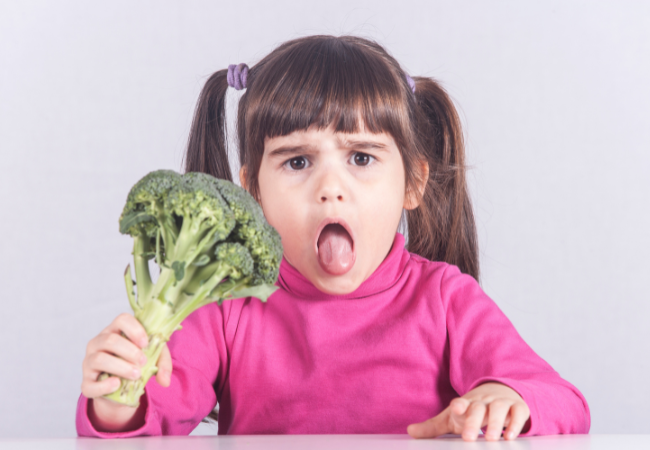
With most children falling short of recommended vegetable intake, these nutrient-packed tiny greens may offer parents and grandparents a simple way to close the gap.
If you’ve ever tried to convince a child to eat more vegetables, you know the struggle is real.
Despite decades of nutrition education, most children still aren’t eating enough vegetables. According to federal dietary data, approximately 96% of children and teens consume fewer vegetables than recommended, and only a tiny fraction of teenagers eat enough vegetables to meet daily guidelines.
At the same time, parents are increasingly concerned about childhood obesity, poor concentration, low energy, mood challenges, and the long-term health effects of diets dominated by ultra-processed foods.
So how do we help children get more nutrition without turning every meal into a battle?
The answer might be surprisingly small.
Tiny Greens, Big Nutrition
Microgreens are young vegetable plants harvested just before the first true leaves appear. They may be tiny, but research has shown that many microgreens contain significantly higher concentrations of vitamins, minerals, and beneficial plant compounds than their mature counterparts.
Some studies have found nutrient levels up to 40 times higher than those found in fully grown vegetables.
That means a small handful of microgreens can deliver an impressive nutritional boost.
And unlike many vegetables that children resist, microgreens come in a wide range of flavors. Some are sweet and mild, while others offer a peppery kick.
At the farmers market, New Natives offers an incredible variety, allowing families to experiment and discover which flavors appeal most to their children.
Not All Microgreens Taste Like Salad
Many adults hear the word “greens” and immediately think of bitter salads. Microgreens are different. Depending on the variety, they can taste:
- Sweet and mild
- Nutty
- Fresh and crisp
- Slightly spicy
- Bright and citrusy
Pea shoots are often a favorite among children because they taste remarkably similar to fresh garden peas. Sunflower shoots are crunchy and slightly nutty. Mild broccoli microgreens blend easily into many dishes without dramatically changing flavor.
For picky eaters, these can be a game-changer.
Simple Ways to Add More Microgreens to Family Meals
Microgreens are incredibly versatile and can be added to many favorite foods. While some recipes incorporate them into cooked dishes, keep in mind that microgreens offer their greatest nutritional benefits when eaten fresh and raw — heat can diminish some of the delicate enzymes and phytonutrients.
- Blend Them Into Smoothies: A handful of mild microgreens disappears beautifully into fruit smoothies. Strawberries, bananas, mangoes, peaches, and berries easily mask the flavor while adding a nutritional boost.
- Add Them to Sandwiches and Wraps: Sunflower shoots, pea shoots, and other mild varieties add crunch, freshness, and nutrition to sandwiches, wraps, and quesadillas.
- Top Scrambled Eggs or Omelets: Rather than cooking microgreens into the eggs, try sprinkling them on top just before serving to preserve more of their nutritional value.
- Stir Into Pasta or Grain Bowls: Add fresh microgreens just before serving pasta, rice bowls, or grain dishes for extra color, texture, and nutrition.
- Sprinkle on Pizza: A handful of fresh microgreens added after baking can transform pizza into a more nutritious meal.
- Add to Salads and Tacos: Microgreens make an excellent addition to green salads, taco fillings, burrito bowls, and fresh salsas.
- Enjoy Them as a Snack: Many children enjoy munching on sweet pea shoots or crunchy sunflower shoots right out of the container. They’re a simple, nutritious snack that requires no preparation.
- Create “Superhero Smoothies”: Sometimes marketing works. Giving smoothies fun names like “Hulk Power,” “Dinosaur Fuel,” or “Dragon Juice” can make healthy ingredients suddenly become exciting.
Better Yet, Let Kids Grow Them
One of the most effective ways to encourage children to eat vegetables is to involve them in growing food.
Microgreens are ideal because they grow quickly. Children can often see sprouts emerge within days and harvest them within one to two weeks. That fast reward creates excitement and curiosity—two powerful ingredients for expanding young palates.
Many children who refuse vegetables on their plate become surprisingly willing to taste something they grew themselves.
Small Changes Add Up
No single food can solve childhood nutrition challenges. But small improvements, repeated consistently, can make a meaningful difference.
For families looking to improve nutrition one small step at a time, microgreens offer a simple place to start. They’re colorful, flavorful, easy to use, and available in a remarkable variety of tastes—from sweet and mild to pleasantly peppery—making it easier for every member of the family to find a favorite.
The next time you’re at the farmers market, stop by New Natives and explore the remarkable world of microgreens. You may discover that helping children eat more vegetables doesn’t have to be a battle after all.