
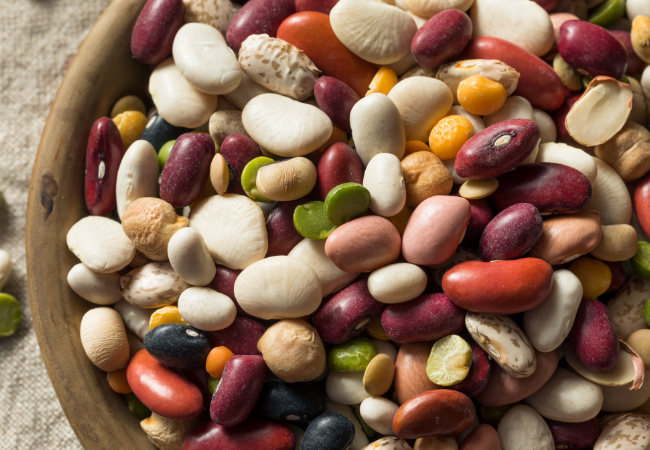
As the days grow shorter and the evenings turn cooler, few pantry staples feel more useful than a bag of dried beans. Inexpensive, nourishing, and endlessly versatile, beans are the starting point for some of fall’s most satisfying meals—from steaming bowls of soup and chili to rustic braises, warm salads, creamy purées, and simple pots of beans dressed with good olive oil and herbs.
Cooking dried beans takes a little more time than opening a can, but most of that time is hands-off. And the reward is worth it: freshly cooked beans generally have better flavor, a creamier interior, and a more appealing texture than their canned counterparts.
Start with Fresh Dried Beans
Dried beans don’t spoil quickly, but they do become harder to cook as they age. Whenever possible, buy beans from a source with good turnover and use them within a year or two.
Older beans are still perfectly edible, but they may take considerably longer to soften and can cook less evenly.
At home, transfer dried beans to an airtight container and store them in a cool, dry pantry away from direct sunlight.
How Much Do Dried Beans Make?
A little goes a surprisingly long way.
1 cup dried beans = approximately 3 cups cooked beans
1 pound dried beans = approximately 6 cups cooked beans
Cooking a full pound at once is often worthwhile. Use what you need for dinner, then refrigerate or freeze the rest in portions for soups, salads, dips, and quick weeknight meals.
To Soak or Not to Soak?
Despite generations of kitchen rules, soaking beans is optional. The best method often depends on the age and variety of the bean—and how much time you have.
No Soak
Fresh dried beans can usually be cooked successfully without soaking. Simply rinse them, cover generously with water, and simmer gently until tender. They may require somewhat longer cooking, but the method couldn’t be simpler.
Overnight Soak
Place the beans in a large bowl and cover them with several inches of water. Let them soak for 8–12 hours, then drain, rinse, and cook in fresh water.
Soaking can shorten the cooking time, particularly for larger beans, and some people find soaked beans easier to digest.
Quick Soak
Need beans sooner? Place them in a pot and cover generously with water. Bring to a boil for about 2 minutes, remove from the heat, cover, and let stand for 1 hour. Drain, rinse, and proceed with cooking.
How to Cook Dried Beans
Rinse the beans and check them for any small stones or damaged beans before cooking.
Place them in a roomy pot and cover with several inches of fresh water or broth. Beans expand considerably as they cook, so make sure they have plenty of liquid.
Add aromatics such as:
- Bay leaves
- Garlic cloves
- Onion or leeks
- Celery
- Carrot
- Fresh rosemary, thyme, or sage
- A dried chile
Bring the pot briefly to a boil, then reduce the heat and cook at a gentle simmer. Avoid a vigorous boil, which can cause delicate beans to break apart.
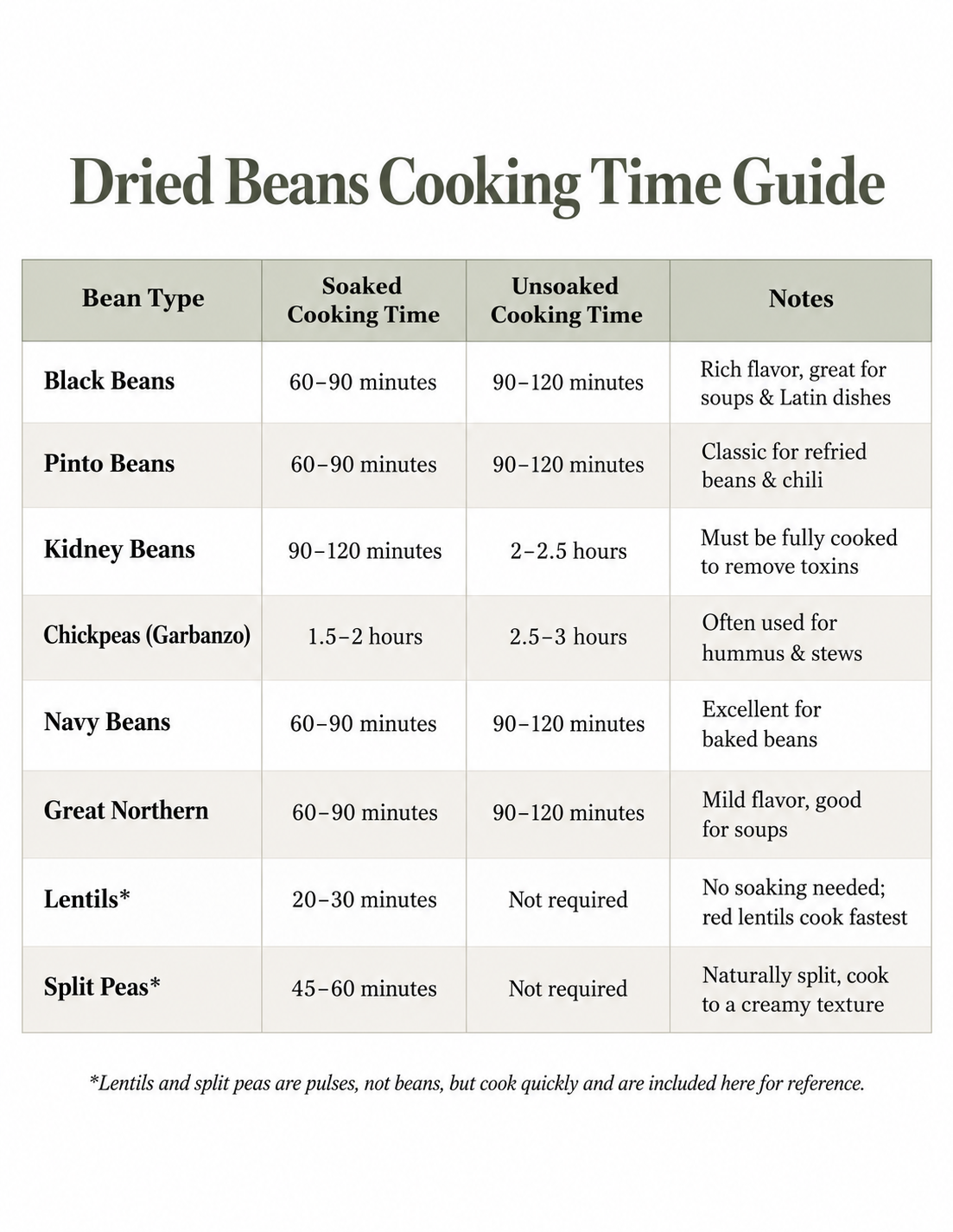
Depending on the variety and age of the beans, cooking can take anywhere from about 45 minutes to several hours. Begin checking them early and add additional hot water if needed to keep the beans submerged.
A Word About Salt
There is an old kitchen rule that says beans should never be salted until they are completely cooked. Fortunately, you don’t have to follow it.
Seasoning the cooking water with salt helps flavor the beans all the way through and can produce beautifully seasoned, creamy beans. Start modestly—you can always adjust the seasoning when they are finished.
Acid is different. Tomatoes, vinegar, wine, citrus juice, and other acidic ingredients can slow the softening of beans, so it is generally best to add them once the beans are nearly or completely tender.
Don’t Throw Away the Bean Broth
One of the pleasures of cooking beans from scratch is the flavorful liquid left behind in the pot.
Known simply as bean broth or pot liquor, it becomes rich and savory as the beans cook with herbs and aromatics. Use it to enrich soups and stews, loosen a bean purée, cook grains, or simply serve the beans in their own broth with a drizzle of olive oil.
Fall Ways to Use Cooked Beans
A pot of beans made on the weekend can easily become several meals during the week.
For cool-weather cooking, try them:
- Simmered with greens, garlic, and herbs
- Added to vegetable, chicken, or sausage soups
- Folded into chili or hearty fall stews
- Tossed warm with roasted squash and a mustard vinaigrette
- Combined with grains, herbs, and seasonal vegetables
- Puréed with garlic and olive oil for a creamy spread
- Spoon-served over toasted country bread
- Baked with tomatoes, onions, herbs, and breadcrumbs
- Dressed simply with excellent olive oil, lemon, flaky salt, and fresh herbs
White beans pair beautifully with rosemary, sage, kale, squash, and roasted garlic. Chickpeas love cumin, coriander, lemon, and tahini. Black beans welcome smoky chiles and warm spices, while lentils and smaller beans are natural partners for carrots, onions, mushrooms, and fall greens.
Make the Freezer Your Friend
Since dried beans take time to cook, make extra.
Cool cooked beans in some of their cooking liquid, portion them into freezer containers, and freeze. Having homemade beans tucked into the freezer gives you nearly the same convenience as canned beans—with the flavor and texture of beans cooked from scratch.
On a chilly evening, that little bit of planning can turn into dinner remarkably quickly.
Keep This Guide Handy
Different varieties have their own personalities—and their own cooking times. Our Dried Beans Cooking Time Guide is a useful reference to keep nearby when stocking your fall pantry.