
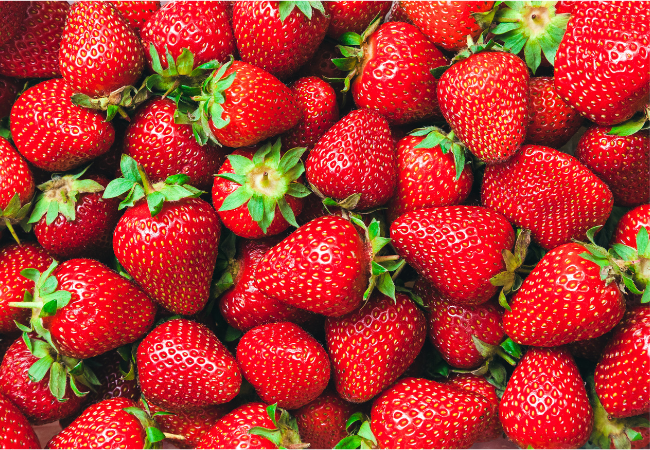
There may be no fruit more closely associated with spring in California than the strawberry. Sweet, fragrant, and intensely seasonal, strawberries arrive at the farmers market just as the days begin to warm and the first signs of summer appear.
What many people don’t realize is that the modern strawberry is actually a relatively recent creation. The large garden strawberries we know today originated in 18th century France from an accidental cross between wild North American strawberries and a Chilean coastal variety brought to Europe by explorers. Before that, strawberries were tiny woodland fruits gathered from forests and hedgerows.
California now leads the nation in strawberry production, and the Central Coast — particularly the Watsonville and Salinas regions — is famous for producing some of the finest berries in the world. Our cool coastal climate creates ideal growing conditions, allowing strawberries to develop exceptional sweetness while retaining their bright acidity and aroma.
But not all strawberries are alike.
At the farmers market, you’ll often find organically grown berries picked at peak ripeness, sometimes only hours before market begins. Unlike many commercial berries bred primarily for shipping durability, farmers market strawberries are often selected for flavor first — softer, more fragrant, and deeply sweet.
Different farms may grow different varieties throughout the season. Some berries are intensely sweet and delicate, while others are firmer with a balanced tartness. Older varieties are often treasured for flavor, even if they bruise more easily or have a shorter shelf life.
One of the pleasures of shopping at the farmers market is discovering these differences for yourself.
How to Choose Strawberries
- Look for berries that appear deeply colored, glossy, and plump, with fresh green caps still attached.
- Avoid berries with bruising, mold, or shriveling.
- And most importantly — smell them. A ripe strawberry should have a rich, unmistakable fragrance. Often, the most flavorful berries are not the most perfectly shaped. At the farmers market, aroma is usually one of the best indicators of sweetness and flavor.
How to Store Strawberries
Strawberries are highly perishable and are best enjoyed within a few days of purchase.
Remove them from plastic packaging if possible and store them unwashed in a paper towel-lined container in the refrigerator. Washing berries before storage can encourage mold, so wait until just before serving.
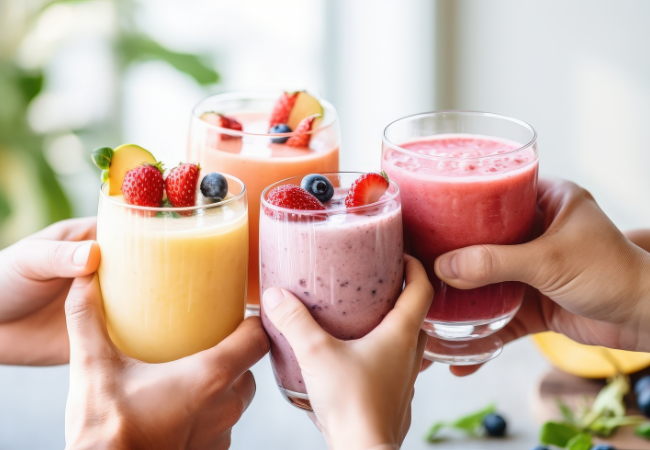
If you have more berries than you can use, strawberries freeze beautifully. Hull the berries, freeze them in a single layer on a tray, then transfer to a freezer container or bag once frozen. Frozen strawberries are perfect for smoothies, sauces, baking, and homemade jam.
Why Organic Strawberries Matter
Growing organic strawberries is labor-intensive and requires careful soil management, crop rotation, and close attention to plant health. Many small farmers choose organic practices because they believe healthy soil produces healthier, more flavorful fruit while supporting long-term environmental stewardship.
When you purchase organic strawberries at the farmers market, you’re supporting local farms committed to sustainable growing practices, regional food systems, and exceptionally fresh fruit harvested at peak flavor.
Look for strawberries this season from farms including P&K Farms, Cortez Farms, Ichigo Farms, and Northridge Farms.
RECIPES: Our favorite strawberry recipes here!