
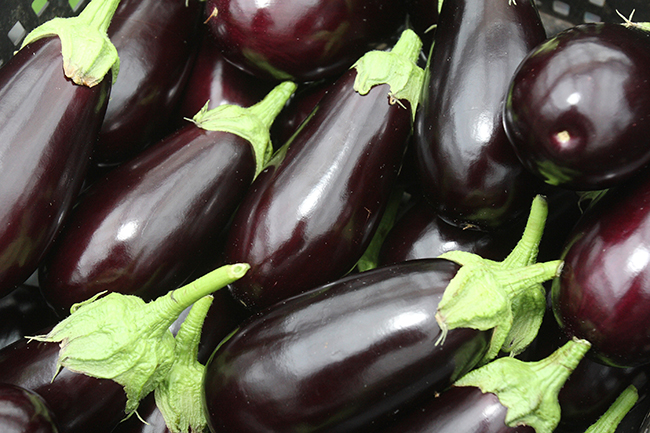
Glossy, dramatic, and endlessly versatile, eggplant may be one of the most misunderstood treasures of the summer farmers market. Known in Europe as aubergine, this member of the nightshade family shares its botanical roots with tomatoes and potatoes — though technically, it’s a fruit rather than a vegetable.
Eggplant also carries a surprisingly colorful history. In the 1600s, Europeans referred to it as mala insana, or “mad apple,” believing the strange-looking fruit might cause insanity. Fortunately, those old superstitions faded long ago, while appreciation for eggplant only deepened. Thomas Jefferson is even credited with helping introduce eggplant to American gardens after growing it at Monticello.
Today, eggplants are celebrated across countless cuisines for their ability to absorb flavors, transform textures, and anchor dishes ranging from smoky dips to fragrant curries.
One of eggplant’s more curious distinctions is that it contains trace amounts of nicotine — the highest concentration of any fruit or vegetable. But before you worry, the amount is incredibly tiny: you would need to eat roughly 45 pounds of eggplant to equal the nicotine found in a single cigarette.
Eggplants are also composed of about 95% water, which explains their silky texture when cooked properly. Their pale interior flesh contains delicate phytonutrients that can react with carbon-steel knives, causing discoloration. For the best appearance and flavor, slice eggplants with stainless steel or ceramic knives instead.
At the farmers market, eggplants appear in an astonishing range of shapes, colors, and sizes. While the familiar Italian eggplant — large, oval, and deep purple — remains a staple, growers like KT Farm also bring beautiful Asian varieties to market throughout the season.
Thai eggplants are small and round, often marbled in shades of green, white, or purple, and are essential in many Southeast Asian dishes. Chinese and Japanese eggplants are long, slender, and notably sweet, with thin, tender skins that rarely require peeling. Their delicate texture makes them especially well suited for grilling, roasting, and stir-frying.
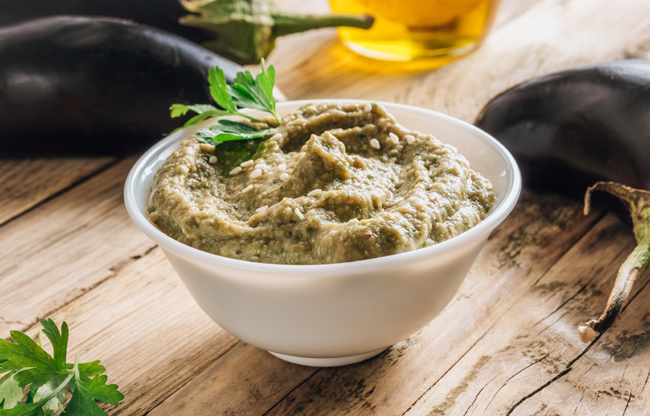
The classic Italian variety, meanwhile, is rich, meaty, and wonderfully adaptable. It shines in beloved Mediterranean dishes like eggplant Parmesan, caponata, ratatouille, and smoky baba ganoush.
How to Select Eggplants
When choosing eggplants at the farmers market, look for fruits that feel heavy for their size with smooth, glossy skin free of wrinkles or blemishes. Fresh stems should appear vibrant green rather than dry or brown.
A simple test: gently press the skin with your thumb. A ripe eggplant should spring back quickly. If the indentation remains, the fruit may be overripe.
Storing Eggplants
Eggplants are best enjoyed soon after harvest. They can remain on the counter for a day or two in cool weather, but for longer storage, place them in the refrigerator crisper drawer loosely wrapped in a paper towel inside a perforated bag.
For best flavor and texture, use within three to five days. Avoid storing eggplants near ethylene-producing fruits such as bananas and tomatoes, which can speed spoilage.
Whether layered into a rustic Italian casserole, charred on the grill, or simmered into a fragrant Thai curry, eggplants offer remarkable versatility and global flavor. With so many beautiful varieties arriving at the farmers market this season, it’s the perfect opportunity to bring home something unfamiliar — and delicious.
You’ll find many varieties of eggplant at KT Farms, Pinnacle, and Borba Family Farms.
To learn more about all of the varieties of eggplants, see A Guide to Different Eggplant Varieties.
RECIPES: Click here for eggplant recipes!