
Walk through a farmers market on a Saturday morning and you’ll see baskets overflowing with berries of all colors, bunches of leafy greens, fragrant herbs, peaches, plums, tomatoes, and dozens of other seasonal treasures.
Most of us think we’re shopping for food.
In reality, we’re shopping for something much deeper.
We’re shopping for soil.
That may sound strange at first. After all, nobody comes home from the market with a bag of soil tucked under their arm. Yet every carrot, tomato, apple, and head of lettuce begins with the same invisible ingredient: the health of the soil beneath it.
Once you understand that connection, you’ll never look at food the same way again.
The World Beneath Our Feet
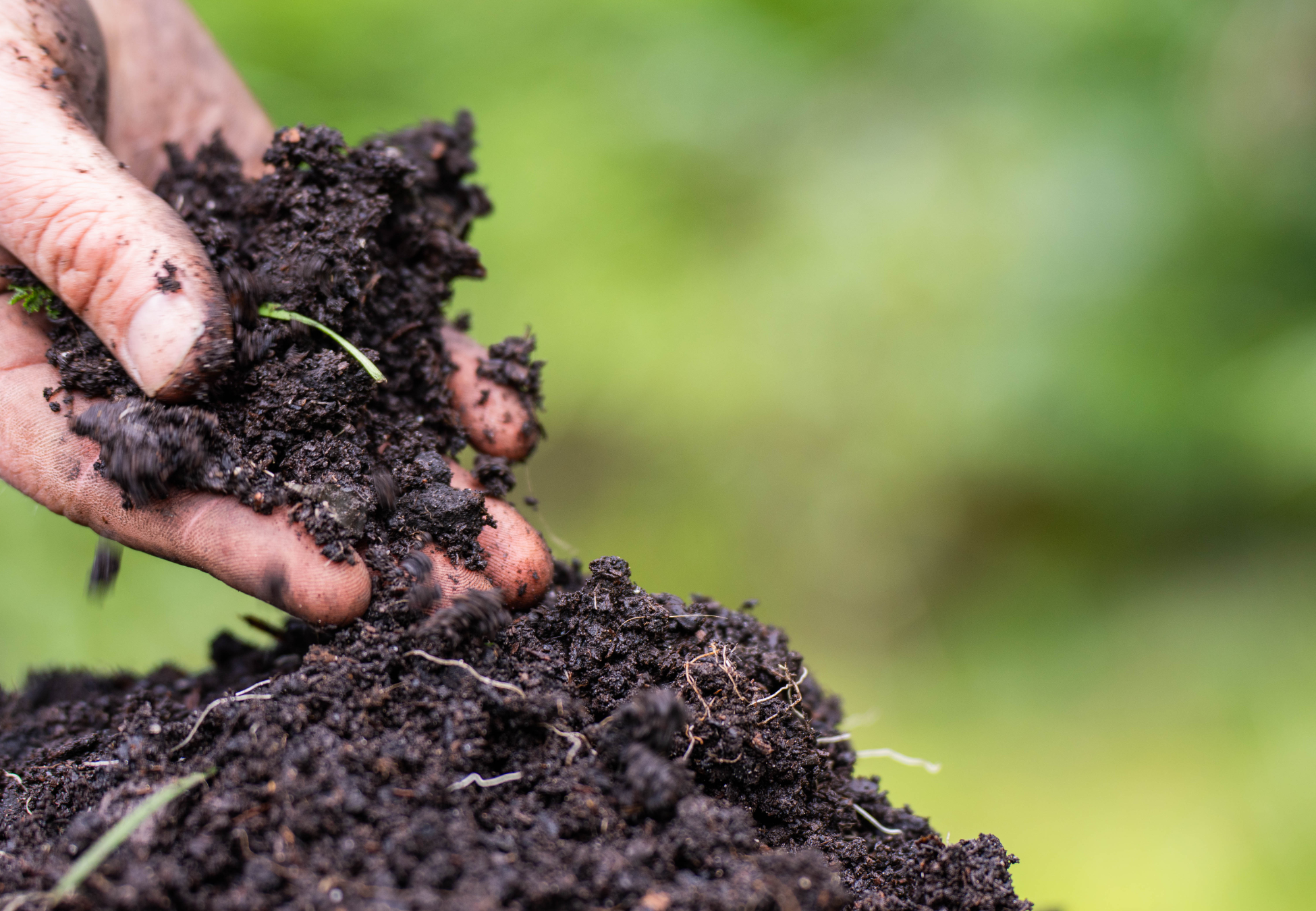
Healthy soil is far more than dirt. A single teaspoon of healthy soil can contain billions of microorganisms—bacteria, fungi, protozoa, and other microscopic life forms that work together in ways scientists are still trying to fully understand.
These organisms help break down organic matter, cycle nutrients, build soil structure, and create relationships with plant roots. In many ways, healthy soil functions like a living ecosystem hidden beneath the surface.
When that underground ecosystem is thriving, plants gain access to water and nutrients more efficiently. They develop stronger root systems, become more resilient to environmental stress, and often produce richer flavors and more complex nutritional compounds.
Healthy soil doesn’t simply grow plants. It helps plants thrive.
Why Flavor Starts in the Soil
Have you ever bitten into a farmers market tomato and wondered why it tasted so much better than the one you bought elsewhere?
Variety certainly matters. Freshness matters too.
But soil plays a role as well.
Plants growing in biologically active soils interact with a complex community of microorganisms that influence nutrient availability and plant health. Researchers continue to explore the connection between soil health and the nutritional quality of food, but many farmers have long observed something science is increasingly confirming: healthier soils often produce healthier crops.
The result is food that can be more flavorful, more resilient, and better able to express the characteristics of its variety and growing environment.
In other words, good soil helps food taste more like itself.
The Work You Never See
One of the most remarkable things about farming is that much of the most important work happens when there is nothing to harvest.
Long before strawberries appear in spring or apples arrive in autumn, farmers are making decisions that influence the health of their soil.
They may plant cover crops to protect the ground between growing seasons. They may add compost to return organic matter to the soil. Some reduce tillage to minimize disturbance. Others create habitat for pollinators and beneficial insects. Many carefully manage water to support both crops and soil life.
These practices require time, planning, and patience.
Unlike fertilizer, which can produce visible results quickly, building healthy soil often takes years. It’s an investment in the future of the farm.
Why More Farmers Are Thinking Beyond Organic
Organic certification remains an important tool for reducing synthetic chemical use and supporting environmental stewardship.
But many farmers are beginning to focus on another question as well: How do we actively improve the health of the soil year after year?
This is where terms like “regenerative agriculture,” “soil health,” and “carbon farming” enter the conversation.
While these approaches vary, they share a common goal: rebuilding the biological function of the soil rather than simply maintaining production.
For many growers, healthy soil is becoming one of the most important measures of long-term farm success. Because when soil improves, many other things improve too.
Water is retained more effectively. Nutrients are used more efficiently. Crops become more resilient during droughts and extreme weather. And farms become better equipped to remain productive for future generations.
A Different Way to Shop
The next time you visit a farmers market, take a moment to think about what you’re really supporting.
Yes, you’re buying peaches, lettuce, eggs, herbs, or strawberries.
But you’re also supporting the care, stewardship, and long-term decisions that made those foods possible.
Every purchase is a vote for a particular way of farming. A way of farming that recognizes that healthy food begins long before a seed is planted.
It begins with healthy soil.
And while most of us will never see the billions of organisms working beneath our feet, we experience the results every time we sit down to eat.
The secret ingredient in every meal may not be found in the recipe at all.
It may be the soil.