
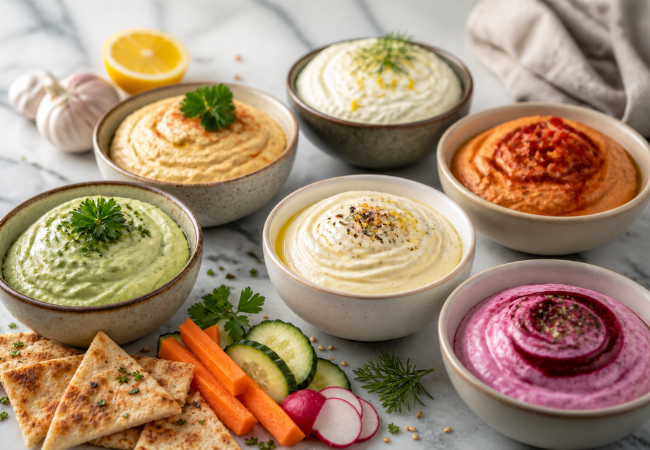
Creamy, savory, endlessly adaptable, and made mostly from pantry staples, hummus is one of those foods worth knowing how to make at home.
Most of us think of hummus as a dip — something to scoop up with wedges of warm pita, crackers, or crunchy vegetables. But a container of good hummus in the refrigerator can do considerably more than anchor a snack plate.
Spread it generously on sandwiches and wraps. Spoon it into grain bowls. Add it to a mezze or charcuterie-style board. Tuck it into a pita with vegetables. Thin it with lemon juice and a little water or olive oil and turn it into a creamy sauce or salad dressing. Dollop it alongside roasted vegetables, grilled chicken, lamb, or fish. Spread it on toast and pile vegetables or a soft-cooked egg on top.
And, of course, it makes an excellent snack.
Chickpeas provide both plant-based protein and fiber, while tahini and olive oil add richness and satisfying flavor. Paired with sliced cucumbers, carrots, radishes, sweet peppers, or other fresh market vegetables, hummus turns an ordinary afternoon snack into something that feels substantial and genuinely delicious.
Better still, homemade hummus takes only minutes once you know a few tricks.
The Secret to Exceptionally Creamy Hummus
You certainly can make very good hummus by draining a can of chickpeas and putting everything directly into the food processor.
But if you are chasing that exceptionally silky, almost whipped texture, there is one additional step worth trying: remove the chickpea skins.
The thin translucent skins surrounding cooked chickpeas can give hummus a slightly coarse texture. Removing them allows the chickpeas to break down more completely.
Easy Chickpea-Skin Removal Method
For one 15-ounce can of chickpeas:
Put the drained chickpeas in a small saucepan, cover with water, and add about 1 1/2 teaspoons baking soda per 15-ounce can of chickpeas. Bring to a gentle simmer and cook for about 5–10 minutes, until the chickpeas are very warm and the skins begin to loosen. Drain, transfer them to a bowl of cool water, and gently rub them between your hands. The skins should float away so you can pour them off.
You don’t have to remove every single skin. Getting rid of most of them is enough to noticeably improve the texture.
Then comes the second trick: keep blending. What may look finished after 20 seconds can become remarkably smoother after another minute or two. A splash of ice-cold water or reserved chickpea liquid can also help create that light, creamy consistency.
Classic Lemon-Garlic Hummus
This is the hummus to master first: bright with fresh lemon, savory with garlic, and rich with tahini and olive oil. Serve it simply with vegetables and warm pita, then use it as the starting point for countless variations.
INGREDIENTS:
1 (15-ounce) can chickpeas, drained, liquid reserved
1 1/2 teaspoons baking soda, optional, for removing chickpea skins
1/3 cup tahini
3 cloves garlic, or to taste
Juice of 1 lemon, plus more to taste if desired
1/2 to 1 teaspoon fine sea salt, to taste
1/4 cup extra-virgin olive oil
2 to 4 tablespoons reserved chickpea liquid or ice-cold water, as needed
For serving:
Extra-virgin olive oil
Paprika, za’atar, chopped parsley, toasted sesame seeds, or other garnish, optional
METHOD:
If desired, remove the chickpea skins using the method above.
Place the chickpeas, tahini, garlic, lemon juice, and salt in a food processor. Process until well combined.
With the machine running, slowly drizzle in the olive oil. Continue processing until very smooth, stopping to scrape down the bowl as necessary.
Add reserved chickpea liquid or cold water, a tablespoon or two at a time, until the hummus reaches a creamy, almost whipped consistency.
Taste and adjust the lemon, garlic, and salt.
Spoon into a shallow serving bowl and finish with a drizzle of olive oil and your choice of garnishes.
YIELD: Makes about 2 cups
Lemon Beet Hummus
Earthy roasted beet gives hummus a gorgeous jewel-toned color and subtle sweetness. It is especially pretty as part of a fall or winter appetizer board with fresh vegetables, feta, olives, and flatbread.
INGREDIENTS:
1 large beet
1 (15-ounce) can chickpeas, drained
1/3 cup tahini
3 cloves garlic
Juice of 1 lemon, plus more if desired
1 teaspoon fine sea salt, or to taste
Freshly ground black pepper
1/4 cup extra-virgin olive oil
Cold water, as needed
METHOD:
Preheat the oven to 400°F.
Wash the beet and wrap it in foil. Roast for about 45 minutes, or until easily pierced with the tip of a knife. Cool, peel, and cut into chunks.
Combine the chickpeas, roasted beet, tahini, garlic, lemon juice, salt, and a few grinds of black pepper in a food processor.
Process until smooth, slowly drizzling in the olive oil while the machine is running.
If the hummus is thicker than you like, add cold water, 1 tablespoon at a time, until creamy.
Taste and adjust the seasoning before serving.
Sweet and Spicy Curry Hummus
Warm curry spices, fresh ginger, and just a touch of maple syrup take this hummus in an entirely different direction. Serve it with vegetables and pita, or spoon it into a grain bowl with roasted cauliflower or sweet potatoes.
INGREDIENTS:
1 (15-ounce) can chickpeas, drained, liquid reserved
1 1/2 teaspoons baking soda, optional, for removing chickpea skins
1/4 cup tahini
1 clove garlic
2 tablespoons fresh lemon juice
1/2 teaspoon fine sea salt
1 teaspoon curry powder
1/2 teaspoon ground turmeric
1 teaspoon finely grated fresh ginger
1/4 teaspoon cayenne pepper, optional
1 tablespoon pure maple syrup
1/4 cup reserved chickpea liquid, plus more as needed
METHOD:
Remove the chickpea skins, if desired.
Combine the chickpeas, tahini, garlic, lemon juice, salt, curry powder, turmeric, ginger, cayenne, maple syrup, and 1/4 cup reserved chickpea liquid in a food processor.
Process until completely smooth, about 1 to 2 minutes.
If necessary, add additional chickpea liquid, 1 tablespoon at a time, until the hummus reaches the desired consistency.
Taste and adjust the salt, lemon, spice, or maple syrup before serving.
Roasted Sweet Potato Hummus
Sweet potato makes this hummus especially creamy while adding a gentle sweetness that pairs beautifully with tahini and warm spices. Try it with crisp apple slices, vegetables, toasted pita, or as a spread on a fall sandwich.
INGREDIENTS:
1 small sweet potato
1 (15-ounce) can chickpeas, drained, liquid reserved
1 1/2 teaspoons baking soda, optional, for removing chickpea skins
1/4 cup tahini
1 clove garlic
2 tablespoons fresh lemon juice
1/2 teaspoon fine sea salt
1 teaspoon ground cinnamon or pumpkin pie spice
Pure maple syrup, optional, to taste
1/4 cup reserved chickpea liquid, plus more as needed
METHOD:
Preheat the oven to 400°F.
Pierce the sweet potato several times with a fork. Place on a small baking sheet and roast for about 45 to 60 minutes, or until completely tender.
Cool, remove the skin, and measure 1 cup roasted sweet potato.
Meanwhile, remove the chickpea skins, if desired.
Place the chickpeas, sweet potato, tahini, garlic, lemon juice, salt, cinnamon, and 1/4 cup chickpea liquid in a food processor.
Process until silky smooth. Add additional chickpea liquid as needed to achieve a creamy consistency.
Taste. If you would like a slightly sweeter hummus, add a small drizzle of maple syrup and process again.
Garlic-Basil White Bean Hummus
Technically, hummus means chickpeas — but this creamy white bean variation deserves a place in the same conversation. Cannellini beans have an especially soft texture and mild flavor that works beautifully with fresh basil, lemon, and garlic.
INGREDIENTS:
1 (15-ounce) can cannellini beans, rinsed and drained
2 cloves garlic, chopped
2 tablespoons fresh lemon juice
6 large fresh basil leaves, plus more for garnish
1/2 teaspoon fine sea salt
Freshly ground black pepper
3 tablespoons extra-virgin olive oil, plus more for serving
Cold water, as needed
METHOD:
Place the beans, garlic, lemon juice, basil, salt, and several grinds of black pepper in a food processor.
Pulse several times to chop the ingredients.
With the machine running, slowly add the olive oil and continue processing until creamy.
If the mixture is too thick, add cold water, 1 tablespoon at a time, until it reaches your preferred consistency.
Taste and adjust the salt, pepper, or lemon juice.
Transfer to a serving bowl, drizzle lightly with olive oil, and garnish with fresh basil.
Kitchen Note: For a mellower, sweeter garlic flavor, substitute a head of roasted garlic for the fresh garlic.
Cilantro-Pistachio Pesto Hummus
Hummus and pesto are natural partners. Fresh herbs and nuts bring brightness and texture, while tahini and chickpeas keep everything creamy. This version can be served as a dip, sandwich spread, or thinned into a particularly good sauce for roasted vegetables.
INGREDIENTS:
1 (15-ounce) can chickpeas, drained, liquid reserved
1 1/2 teaspoons baking soda, optional, for removing chickpea skins
1/4 cup tahini
2 tablespoons fresh lemon juice
1/2 teaspoon fine sea salt
1/3 cup cilantro-pistachio pesto
1/4 cup reserved chickpea liquid, plus more as needed
METHOD:
Remove the chickpea skins, if desired.
Combine the chickpeas, tahini, lemon juice, salt, pesto, and 1/4 cup reserved chickpea liquid in a food processor.
Process until completely smooth, about 1 to 2 minutes.
Add additional chickpea liquid, a tablespoon at a time, if needed to create a lighter consistency.
Taste and adjust the lemon and salt before serving.
NOTE: Your favorite homemade pesto can be substituted for the cilantro-pistachio pesto. Basil, parsley, arugula, or mixed-herb pesto would all work beautifully.
More Ways to Change Up Your Hummus
Once you understand the basic formula, hummus becomes something you can improvise rather than a recipe you need to follow exactly. Try blending in:
- Roasted red peppers
- Roasted carrots
- Avocado
- Edamame
- Fresh basil or parsley
- Roasted garlic
- Turmeric and warm spices
- Za’atar
- Caramelized onions
- Sun-dried tomatoes
- Harissa
- Fresh herbs and pesto
You can also experiment with the beans themselves. White beans make an exceptionally creamy dip, while other cooked beans provide their own flavors and textures.
Hummus Beyond the Vegetable Platter
A bowl of hummus and vegetables will always be welcome, but don’t relegate hummus to snack duty.
On a board: Spoon hummus into a shallow bowl and surround it with olives, feta, vegetables, toasted nuts, crackers, pita, and seasonal fruit.
On a sandwich: Use hummus instead of mayonnaise, then add cucumbers, sprouts, roasted peppers, tomatoes, greens, feta, or grilled vegetables.
In a wrap: Spread hummus over flatbread before adding vegetables, chicken, falafel, or leftover roasted vegetables.
As a sauce: Thin hummus with lemon juice, olive oil, or cold water until pourable. Spoon it over grain bowls, roasted vegetables, grilled meats, or salads.
With eggs: Spread hummus over toast and top with a poached, fried, or jammy egg.
With roasted vegetables: Put a generous swoosh of hummus on a platter and arrange warm roasted carrots, cauliflower, squash, or sweet potatoes over the top.
For lunch: Add hummus to a plate with a handful of greens, sliced vegetables, olives, cheese, and good bread and call it lunch.
Perhaps that is the best argument for keeping hummus in the refrigerator: it isn’t really one food at all. It’s a snack, a spread, a sauce, a sandwich filling, an appetizer, and sometimes the beginning of dinner.
And when something that useful can be made from a can of chickpeas in about the time it takes to unpack the groceries, there is very little reason not to make your own.