
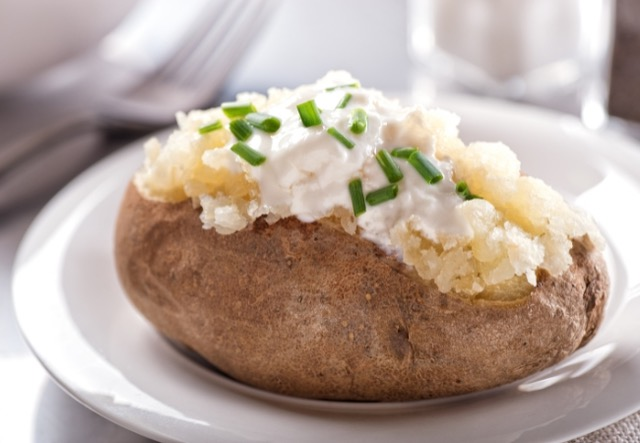
It’s one of those kitchen instructions many of us follow without thinking: scrub the potato, grab a fork, and prick it all over before baking. We’ve been told the holes allow steam to escape—and, more dramatically, keep the potato from exploding in the oven.
But is poking a baked potato really necessary?
Not necessarily.
While piercing a potato does provide an easy escape route for steam, whole potatoes generally release moisture naturally as they bake. A potato can split or burst, but it isn’t an everyday occurrence. And when it comes to producing a truly excellent baked potato, there are other preparation steps that matter much more.
Why Are Potatoes Traditionally Pierced Before Baking?
Potatoes contain a considerable amount of water. As the potato heats, some of that moisture turns to steam and creates pressure beneath the skin.
Piercing the potato with a fork gives that steam an obvious escape route. That’s the reasoning behind the familiar instruction—and it certainly doesn’t hurt.
However, potato skins aren’t perfectly airtight. Small pores, blemishes, and natural imperfections allow some moisture to escape during baking. In most cases, a potato will bake perfectly well whether it has been pierced or not.
So, should you poke it?
If you prefer to err on the side of caution, a few shallow fork pricks are perfectly fine. There’s simply no need to aggressively puncture the potato all over.
Does Poking Affect the Texture?
Potentially.
One of the pleasures of a properly baked potato is the contrast between a crisp, well-seasoned skin and a tender, fluffy interior. Since piercing creates additional openings for moisture to escape, excessive poking can contribute to a slightly drier potato.
The difference is subtle, but if your goal is a moist, fluffy center, there’s little reason to make dozens of holes.
Far more important are the variety of potato you choose, the oven temperature, and how the potato is prepared before baking.
Choose the Right Potato
For the classic steakhouse-style baked potato, russets are hard to beat.
Their high starch content creates the dry, fluffy interior most of us associate with a great baked potato, while their thicker skins become wonderfully crisp in the oven.
Yukon Gold and red potatoes can also be baked whole, but their texture is naturally different. They contain less starch and retain more moisture, producing a denser, creamier interior.
Sweet potatoes also bake beautifully whole. Their thinner skins and naturally moist flesh give them a softer texture than russets, whether they are pierced or not.
What Is the Best Oven Temperature?
For a classic baked russet potato, 425°F is an excellent all-purpose temperature.
It’s hot enough to crisp and brown the skin while still allowing the interior to cook through evenly and become light and fluffy. Medium to large russet potatoes generally take about 45 to 60 minutes, depending on their size.
You can also bake potatoes at slightly different temperatures:
400°F: A gentler option that works well, although potatoes may take closer to 55 to 70 minutes.
425°F: The best overall balance of crisp skin and fluffy interior. Plan on about 45 to 60 minutes.
450°F: Produces especially crisp skins and can shorten the cooking time, but very large potatoes may brown too quickly before the centers are fully tender.
Rather than relying on time alone, check for doneness. A thin knife or skewer should slide easily into the center with little resistance. For russet potatoes, an internal temperature of roughly 205 to 210°F generally produces the fluffiest texture.
The Secret to Better Baked Potato Skin
If there’s one baked-potato habit worth adopting, it isn’t poking holes—it’s preparing the skin properly.
Start by thoroughly scrubbing the potatoes under cool running water to remove any soil. Dry them very well. Moisture left on the surface encourages steaming, while a dry potato is better able to develop crisp skin.
Next, rub the potato lightly with olive oil or another neutral cooking oil and sprinkle generously with kosher or coarse salt.
The oil helps the skin brown and crisp, while the salt adds flavor and gives the exterior that irresistible slightly crunchy texture.
And yes—the skin is absolutely worth eating.
Skip the Foil for Crispy Potatoes
Wrapping potatoes in aluminum foil is another longtime kitchen habit, but it works against you if crisp skin is the goal.
Foil traps moisture around the potato as it cooks, essentially steaming the exterior. The potato will cook, but the skin will remain soft rather than becoming crisp and deeply flavorful.
Bake potatoes uncovered instead.
If you love the soft-skinned baked potatoes often served alongside barbecue, foil may be exactly what you want. But for a classic baked potato with crisp skin, leave it off.
Bake Them Directly on the Oven Rack
For especially crisp, evenly cooked potatoes, preheat the oven to 425°F and place the potatoes directly on the center oven rack.
This allows hot air to circulate around the entire potato rather than leaving one side resting against a baking sheet.
Place a sheet pan or a piece of foil on a lower rack if you’re concerned about oil or moisture dripping into the oven.
Bake until the potatoes are completely tender when gently squeezed with an oven mitt or easily pierced with a small knife.
Don’t Let Them Sit Too Long
What you do after the potato comes out of the oven matters, too.
A piping-hot baked potato is still filled with steam. If it sits unopened, that moisture remains trapped inside and can gradually make the interior heavier and slightly gummy.
For the fluffiest result, cut the potato open shortly after removing it from the oven.
Give the sides a gentle squeeze to open the center and allow some steam to escape. Fluff the interior with a fork before adding butter, sour cream, cheese, herbs, or your favorite toppings.
What About Microwaving?
The microwave is wonderfully convenient, particularly when dinner needs to happen quickly. But a microwave alone won’t give you the same crisp skin as dry oven heat.
For the best of both worlds, partially cook the potato in the microwave, then finish it in a 425°F oven until the skin is crisp and the center is fully tender.
Just be sure the potato is thoroughly dry before it goes into the oven.
Kitchen Wisdom: The Perfect Baked Potato
For consistently delicious baked potatoes:
- Choose russet potatoes for the fluffiest interior.
- Preheat the oven to 425°F.
- Scrub the potatoes thoroughly and dry them completely.
- Pierce them lightly if you wish—but extensive poking isn’t necessary.
- Rub the skins with a small amount of oil and season generously with salt.
- Skip the foil if you want crisp skin.
- Bake directly on the oven rack for about 45 to 60 minutes, depending on size.
- Check for doneness with a thin knife or skewer rather than relying on time alone.
- Open the potatoes soon after baking and fluff the centers before serving.
The humble baked potato doesn’t need much help. Start with a good potato, give the skin plenty of dry heat, and let the oven do the rest.
SEE ALSO: The Humble Potato — A Cheap and Cheerful Dinner Worth Rediscovering