
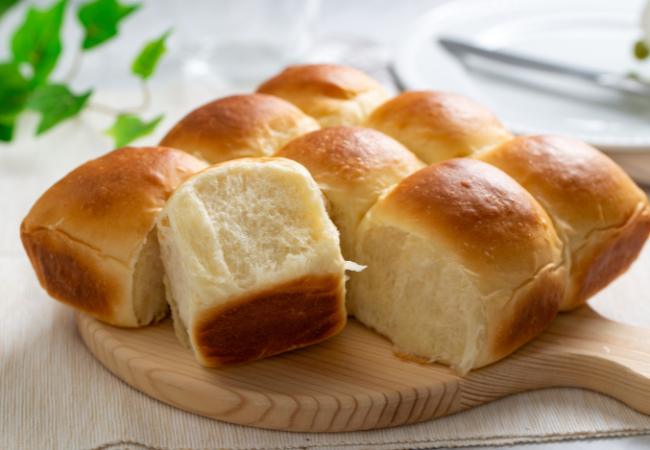
From buttery yeast rolls and Southern cornbread to fluffy angel biscuits and golden popovers, the breads we serve at Thanksgiving often tell a story about where we come from—and the family traditions we cherish.
What’s in your family’s Thanksgiving breadbasket?
For some families, Thanksgiving wouldn’t be complete without a basket of soft, buttery dinner rolls. Others look forward to a skillet of Southern cornbread, flaky homemade biscuits, or towering popovers served piping hot from the oven.
The breads we serve at Thanksgiving often reflect where our families came from, where we grew up, and the recipes passed from one generation to the next. They’re a delicious reminder that American cooking is wonderfully diverse, shaped by regional ingredients, family histories, and traditions that continue to evolve.
In my family, Thanksgiving has always meant one thing: Old-Fashioned Feather-Light Pan Rolls.
I’ve made these rolls for as long as I can remember, and I always prepare a generous batch, regardless of how many guests are coming. They’re wonderfully soft, golden, and so light they practically melt in your mouth. They’re also nearly impossible to resist. When my children were young, I actually had to hide the freshly baked rolls to keep them from disappearing before Thanksgiving dinner!
And there’s another reason I make plenty: leftovers. A soft homemade roll filled with roast turkey, cranberry sauce, and a little dressing makes one of life’s great Thanksgiving pleasures.
Of course, my family’s favorite may be entirely different from yours. That’s part of what makes the American Thanksgiving table so interesting.
A Little History in the Breadbasket
Long before Thanksgiving became a national holiday, corn was a foundational food for Indigenous peoples throughout much of North America. Native communities developed sophisticated methods of growing, processing, and preparing corn, creating food traditions that continue today.
As American regional cooking developed, cornmeal became an important ingredient in countless breads and dishes. Cornbread remains especially closely associated with Southern cooking, although its variations reach far beyond the South.
Meanwhile, wheat-based breads—including yeast rolls, biscuits, and other baked goods—became familiar features of American tables. Over time, regional tastes, available ingredients, and family preferences helped shape the Thanksgiving breadbasket as we know it.
And just as families have their own treasured recipes, they often have strong opinions about which bread belongs next to the turkey!
Soft, Buttery Yeast Rolls: A Holiday Classic
There’s something comforting about pulling apart a warm dinner roll and watching a little butter melt into its tender center.
Yeast rolls have long been favorites at American holiday gatherings. New England gave us the famous Parker House roll, while soft pan rolls, cloverleaf rolls, and potato rolls became beloved staples in kitchens across the country.
Although yeast breads require a little planning, they’re well worth the effort. Many recipes can be prepared ahead, allowing the dough to rise slowly in the refrigerator overnight.
Old-Fashioned Feather-Light Pan Rolls — My personal Thanksgiving favorite! These wonderfully light, pillowy rolls are made with an overnight rise, making them especially convenient for holiday dinners.
Potato Dinner Rolls — Tender, soft dinner rolls made with potatoes, a traditional ingredient that contributes moisture and helps keep bread fresh.
Southern Traditions: Cornbread and Biscuits
Travel through the South, and you’ll discover that cornbread is serious business. Some cooks insist that true Southern cornbread should never contain sugar, while others prefer a slightly sweeter version. There are arguments over white versus yellow cornmeal, the virtues of buttermilk, and whether anything other than a well-seasoned cast-iron skillet will do.
For many Southern families, cornbread is particularly important at Thanksgiving because it’s the foundation of traditional cornbread dressing. But a warm wedge of cornbread served with butter is equally welcome at the table.
Real Southern Cornbread — A traditional Southern-style cornbread with an appealingly rustic texture.
Brown Butter Maple Cornbread — Nutty browned butter and maple syrup add a little sweetness to this holiday-worthy variation.
Sweet Potato Cornbread with Honey Butter — Moist, tender, and full of autumn flavor, this cornbread makes a lovely addition to a Thanksgiving menu.
Southern Biscuits: From Buttermilk to Angel Biscuits
No discussion of Southern holiday breads would be complete without biscuits. Whether they’re flaky, buttery buttermilk biscuits or soft, pillowy angel biscuits, these beloved breads have earned their place at the Thanksgiving table.
Angel biscuits are particularly interesting because they combine the best qualities of two Southern favorites: the tenderness of a traditional biscuit and the airy texture of a yeast roll. Sometimes called bride’s biscuits or riz biscuits, they’re made with three leavening agents—yeast, baking powder, and baking soda—which give them their characteristic feather-light texture.
Unlike traditional yeast rolls, angel biscuits don’t require a long rising period. Some recipes call for baking them immediately, while others allow a short rest before baking. I prefer to give them 20–30 minutes, just until they look slightly puffy. That little bit of patience helps create a wonderfully tender, airy biscuit.
Angel Biscuits — Light, Fluffy Southern-Style Biscuits — Golden, buttery biscuits with a soft, fluffy interior. A lovely choice for Thanksgiving, especially for cooks who want homemade yeast-biscuit flavor without a lengthy rising time.
Cheesy Chive Drop Biscuits with Garlic Butter — Savory cheddar and chive biscuits that come together quickly with homemade baking mix or Bisquick. No kneading, rolling, or cutting required!
Butter Dips — Old-fashioned, buttery biscuits that deliver homemade goodness with very little fuss.
Quick Breads for Busy Thanksgiving Cooks
Sometimes the best holiday recipe is one that doesn’t require hours of preparation.
Quick breads rely on baking powder, baking soda, or steam for their lift rather than a traditional yeast rise. That means no lengthy proofing periods, no kneading, and often very little hands-on preparation.
For cooks managing a turkey, several side dishes, and a kitchen full of activity, a reliable quick bread can be a lifesaver.
Cornbread and drop biscuits are particularly convenient because the batters and doughs can be mixed quickly and baked without waiting for yeast to work. Many can also be made ahead and gently reheated before serving.
For the easiest holiday baking, choose a recipe with minimal shaping and a relatively short baking time. Our cheesy chive drop biscuits and old-fashioned butter dips are especially good examples.
Popovers: A Little Holiday Drama
For pure visual appeal, it’s hard to beat a basket of golden popovers.
Made from a simple batter of eggs, flour, and milk, popovers rise dramatically in a hot oven, developing crisp exteriors and light, airy centers.
They’re particularly lovely for a more intimate Thanksgiving dinner, when there’s a little more flexibility with oven space and timing.
Popovers are best served immediately, while they’re still tall and crisp. They don’t wait patiently for the turkey or the gravy!
Classic Popovers — Tall, airy, golden popovers with crisp shells and tender interiors.
Blue Cheese Popovers — A savory variation that pairs beautifully with roast beef, turkey, or a holiday vegetable centerpiece.
A Few Contemporary Favorites
Not every Thanksgiving bread needs to be an old-fashioned family recipe. American holiday tables continue to evolve, and rustic artisan breads have become increasingly popular.
Here on California’s Central Coast, we have a particular appreciation for good sourdough and olive oil-rich breads. A beautiful loaf of crusty bread or a pan of golden focaccia can be just as welcome as traditional dinner rolls.
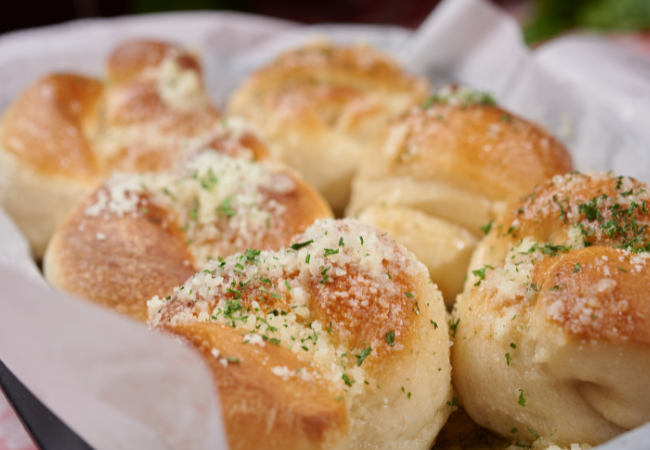
And for garlic lovers, homemade garlic knots offer a particularly delicious alternative.
Easy Homemade Focaccia — Golden, aromatic, and rich with olive oil, focaccia makes a beautiful addition to a holiday breadbasket.
Homemade Garlic Knots with Fresh Herbs and Parmesan — Soft, tender knots brushed with fragrant garlic-herb butter and finished with Parmesan cheese. Don’t expect leftovers!
The One-Oven Thanksgiving Dilemma
As much as we love freshly baked bread, Thanksgiving presents one familiar challenge: the turkey has first claim on the oven.
If you’re working with a single oven, a little planning makes all the difference.
For yeast rolls: Prepare the dough the day before whenever possible. Shape the rolls on Thanksgiving Day and time their final rise so they’re ready to bake when the turkey comes out of the oven. While the turkey rests, adjust the oven temperature and bake the rolls. Allow approximately 30 minutes for baking, plus any necessary preheating time. Keep in mind that yeast dough has its own schedule, so it’s wise to allow a little flexibility.
For biscuits and cornbread: These are generally easier to bake ahead and reheat. Wrap baked biscuits in foil and warm gently before serving. Cornbread can also be baked earlier in the day or the day before, then warmed just before dinner.
For focaccia: Bake ahead and reheat briefly to refresh its crust and bring out the wonderful olive oil and herb aromas.
For popovers: Save these for a meal when oven timing is less demanding. They need a properly heated oven and are at their best the moment they’re baked.
And here’s one final piece of advice: don’t feel obligated to bake bread at the last minute. Many homemade rolls and biscuits reheat beautifully, and a basket of warm bread is always welcome.
Still, if you can manage to bake those yeast rolls while the turkey rests, there’s something magical about the fragrance of freshly baked bread filling the kitchen just before everyone gathers around the table.
Every Breadbasket Tells a Story
Whether it’s your grandmother’s cornbread, a basket of warm biscuits, or the same soft yeast rolls your family has made for generations, the bread on the Thanksgiving table is often much more than another side dish.
It’s a little piece of family history, passed from one holiday to the next.
Whatever your family’s tradition, we hope your Thanksgiving table is filled with good food, happy memories, and the people you love.
So, what’s in your family’s Thanksgiving breadbasket?